FG UNVEILS NEW POLICY TO REGULATE PRIVATE SCHOOLS AMID CONCERNS OVER DECLINING EDUCATION STANDARDS
Written by Oluwaseyi Amosun on July 18, 2025

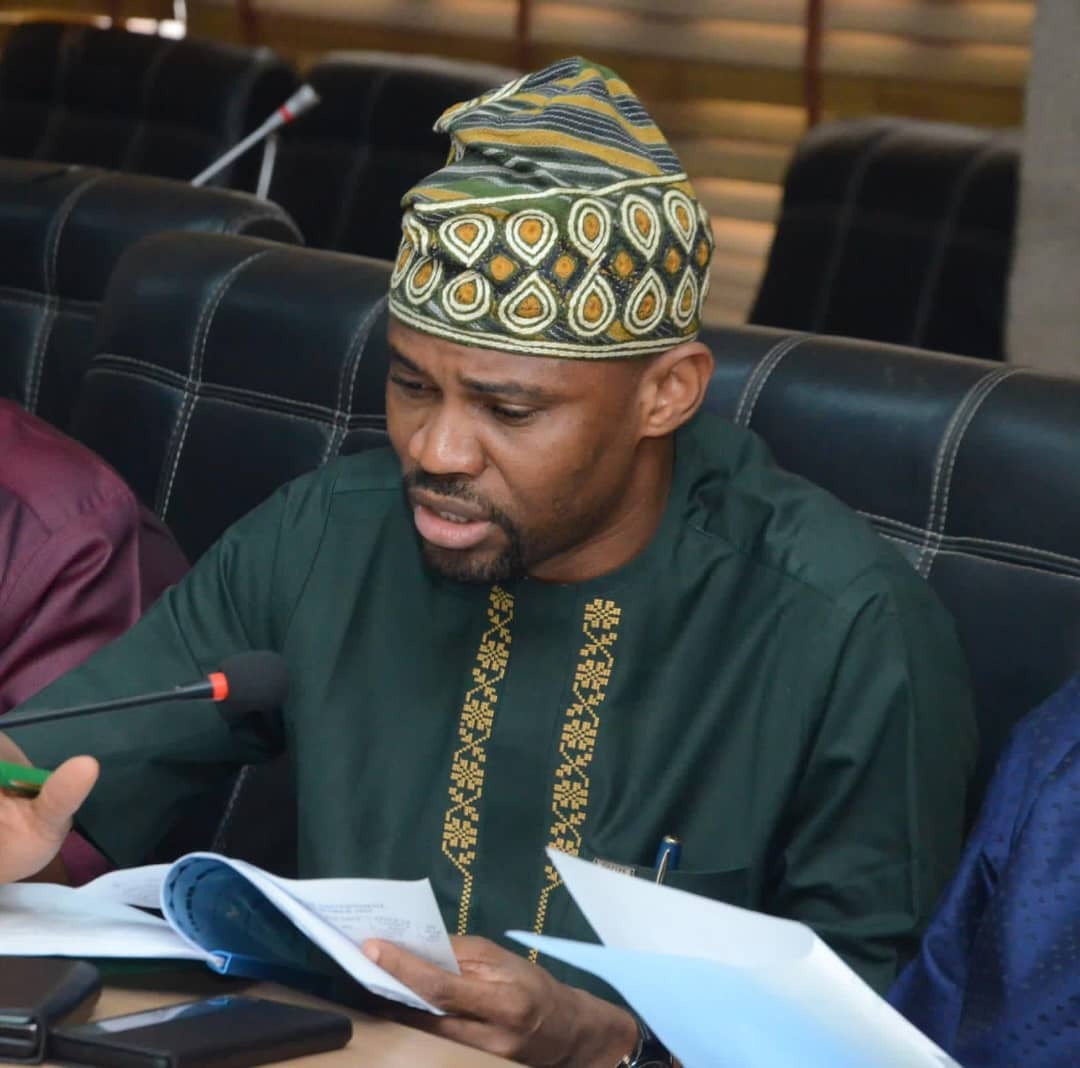
Image of the minister of Education, Olatunji Alausa
In a bid to address the deteriorating standards in Nigeria’s education system, the Federal Government has launched a new National Policy on Non-State Schools to regulate and standardise the operations of private and community-based educational institutions across the country.
Speaking at the launch event held in Abuja on Thursday, the Minister of Education, Olatunji Alausa, said the policy aims to enforce national benchmarks in infrastructure, teacher quality, curriculum delivery, and accountability among non-state schools, including private, faith-based, and community-run institutions, homeschooling initiatives, and adult learning centres.
“This policy seeks to ensure that all schools in Nigeria, whether public or private, meet minimum standards that guarantee quality education for our children,” Alausa stated. “While we commend the role of non-state schools in bridging access gaps, regulation and support are necessary to ensure consistency and excellence.”
The policy was approved by the National Council on Education in October 2024 and was developed with support from the United Kingdom’s Foreign, Commonwealth and Development Office (FCDO) through the Partnership for Learning for All in Nigeria (PLANE) initiative.
According to Alausa, the number of non-state schools increased by 39 percent between 2017 and 2022, compared to only 3.5 percent and 6.3 percent growth in public primary and junior secondary schools, respectively.
To encourage compliance, the federal government also announced several incentive measures. Starting from the 2025–2026 academic session, private schools enrolling out-of-school children will be eligible for reimbursements. Additionally, direct grants will be provided to early childhood development centres, while new public-private partnerships will be explored for the concessioning of unity schools.
“The government is taking steps to collaborate with private stakeholders so that the children they serve are not left behind,” Alausa added.
Also speaking, Senior Education Adviser Ian Attfield, at the British High Commission, emphasised the importance of regulation in rapidly growing urban areas. “With urban populations such as Lagos expanding from 250,000 in 1960 to over 15 million today, education providers have mushroomed beyond the reach of government. Regulation is not only timely—it is essential,” he said.
Saleh Adamu, representing the Coalition of Non-State Schools, welcomed the policy, urging consistent collaboration between the government and private education providers to improve learning outcomes.
Highlighting the challenges in the sector, Ronke Soyombo, Registrar of the Teachers Registration Council of Nigeria (TRCN), revealed that over 85 percent of teachers in non-state schools are unregistered. “We are simplifying registration processes nationwide to ensure that only qualified teachers are in the classroom,” Soyombo said.



 Eagle Fm