RIVERS STATE AT THE CROSSROADS: INSIDE SIX MONTHS OF EMERGENCY RULE, POLITICAL BATTLES, AND THE RETURN OF FUBARA
Written by Oluwaseyi Amosun on September 17, 2025

Siminalayi fubara (L), President Bola Tinubu (M), Nyesom Wike (R)
On March 18, 2025, President Bola Tinubu declared an emergency rule in Rivers State, suspending Governor Siminalayi Fubara, his deputy, and the State House of Assembly for six months. It was a drastic response to a deepening political feud between Fubara and his predecessor-turned-godfather, Minister of the Federal Capital Territory Nyesom Wike.
Tomorrow, September 18, 2025, the six-month rule ends. The federal government has confirmed it will not be extended, clearing the way for Fubara’s return to the Brick House in Port Harcourt. But as the curtain falls on direct federal administration under Vice Admiral (Rtd) Ibok-Ete Ibas, Rivers people are asking: what comes next?
HOW DID IT COME TO THIS?
The Making of a Governor, the Rise of a Rift

File image of Governor Siminalayi Fubara
Fubara’s political story began under Wike’s shadow. He did not campaign vigorously for the governorship in 2023—Wike carried the weight of ticket purchase, campaign rallies, and political structuring.
But soon after the victory, tensions surfaced over appointments and finances.
Fubara allegedly courted Wike’s rivals in the PDP, including Atiku Abubakar loyalists. Wike responded by insisting on filling key commissioner slots with his allies. Out of the initial 15 commissioners, 14 came from Wike.
When Fubara nominated two independent candidates for screening, Wike baulked. The battle lines were drawn.
The Assembly Bombing and Demolition
The crisis reached a breaking point on October 29, 2023, when dynamite explosions rocked the House of Assembly. By the next morning, the assembly complex lay in ruins, demolished under the guise of “structural defects”.
Rumours swirled that the demolition was meant to preempt an impeachment plot against Fubara. It marked the moment the feud left the realm of politics and spiralled into a matter of state security.
Courts, Defections, and Parallel Governments
As commissioners resigned en masse, 27 lawmakers defected to the APC, pledging loyalty to Wike. Rivers found itself with two Houses of Assembly—one loyal to Amaewhule with 26 members, and another loyal to Fubara with just four.
Courts in Port Harcourt routinely favoured Fubara, while Abuja courts leaned toward Wike. The Supreme Court judgement of February 18, 2025, sealed the chaos: it validated the 27 defectors, nullified Fubara’s budget, and crippled his government.
Within 24 hours, impeachment threats flew. In what many considered a desperate but necessary move, President Tinubu declared emergency rule.
LIFE UNDER EMERGENCY RULE
The Administrator Steps In
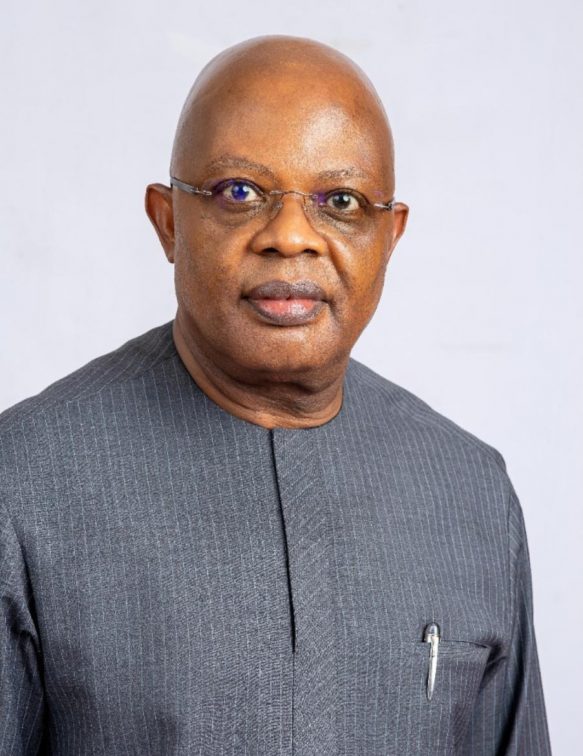
Image of Admiral Ibok Ete Ibas
Vice Admiral Ibok-Ete Ibas, a retired naval chief, was installed as sole administrator. He wielded sweeping powers over the executive, legislature, and local governments. To many residents, it felt like a military government in civilian clothes.
Yet, some credited Ibas with restoring order. Local government elections were revisited, appointments restructured, and civil service commissions reactivated. Tinubu’s supporters said the move prevented Rivers from descending into war.
Social Media Storm and Regional Outrage
If the declaration of emergency rule pacified Port Harcourt’s streets, it ignited the internet. Twitter, Facebook, and WhatsApp groups exploded with arguments. Hashtags like #SaveRiversDemocracy trended nationwide, while pro-government accounts pushed #TinubuDidWell.
The South-South Governors Forum immediately denounced the move, warning it could become a dangerous precedent. Bayelsa’s Governor Douye Diri called it “a constitutional shortcut that undermines federalism.” Delta’s Sheriff Oborevwori echoed him, saying, “Today it is Rivers; tomorrow it could be any of us.”
Yet not everyone in the region agreed. Edo Governor Monday Okpebholo stood out by endorsing Tinubu’s decision. He described it as “a bold act of leadership” and urged his colleagues to prioritise stability over political loyalty. His stance triggered heated debates in Benin City, where opposition figures accused him of betraying the South-South bloc.
Nationally, commentators weighed in. Veteran columnist Azu Ishiekwene published an essay titled “When a Stitch Saves Nine”, arguing that without Tinubu’s intervention, Rivers could have slid into violent anarchy. Others, like legal scholar Professor Chidi Odinkalu, disagreed, calling it “a dangerous normalisation of executive overreach.”
The uproar reflected Nigeria’s larger dilemma: how to balance presidential power with the need to protect democratic institutions. Was Rivers a test case for crisis management—or a slippery slope to unchecked federal dominance?
THE VOICES BEHIND THE CRISIS
Fubara: Grateful Yet Wounded

Photo File: The Governor Of Rivers State, Siminalayi Fubara
Suspended Governor Siminalayi Fubara stunned political observers when, instead of railing against his removal, he openly praised President Tinubu. At a Simplified Movement rally in Port Harcourt, he declared:
“Mr President salvaged a worse situation. Without him, what else would have solved the problem?”
To his loyalists, many of whom saw Tinubu as the architect of his suspension, these words felt like salt on a wound. Yet analysts suggest Fubara was playing survival politics: projecting humility to preserve his chances of returning to Government House intact.
He struck a conciliatory note, admitting to missteps and appealing for forgiveness from his base. More strikingly, he hinted at reconciliation with his estranged political benefactor, Nyesom Wike:
“There is no reason why there will not be peace between me and my oga.”
Those close to him say the remark was both an olive branch and a calculated attempt to calm the storm within the PDP. But beneath the carefully chosen words, Fubara appeared bruised—a governor grateful to still have a future, yet wounded by betrayal.
Wike: Silent but Powerful
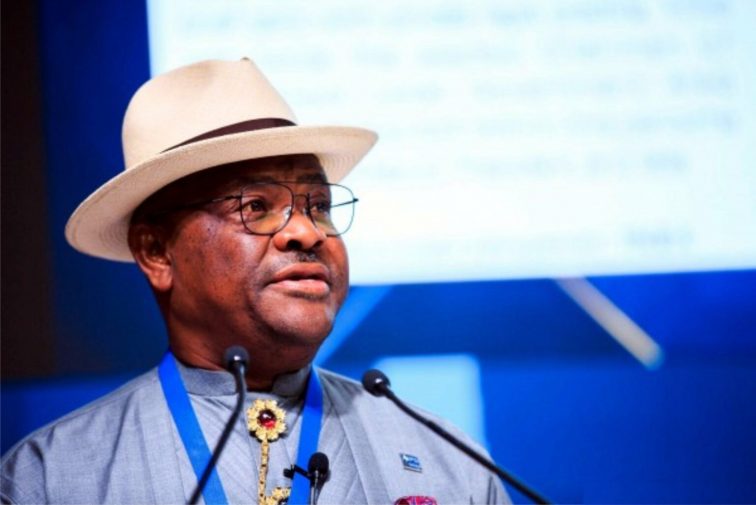
A Photo File: Nyesom Wike
If Fubara was forced into public displays of loyalty, Nyesom Wike, the man widely blamed for sparking the crisis, chose silence. The Federal Capital Territory Minister made no fiery speeches, no open taunts. But in Abuja’s backrooms, he was ever-present.
Multiple reconciliation meetings were convened, drawing in party elders, Rivers power brokers, and Tinubu’s envoys. None yielded a clear resolution. Political insiders say Wike’s grip on Rivers legislators remains firm, ensuring that even in absence, he dictated the pace of events.
To many, his silence spoke louder than words. It underscored the reality that he remained the godfather of Rivers politics, deciding who sits, who bows, and who rises. Whether his truce with Fubara is genuine or a tactical pause is a question only time will answer.
Tompolo: Defender of the Ijaw Nation

Image of Government Ekpemupolo also known as Tompolo
While politicians measured their words, Government Ekpemupolo, better known as Tompolo, cut through the fog of uncertainty with fiery rhetoric. During his April birthday celebration in Oporoza, Delta State, the ex-MEND commander threw his weight behind Fubara, framing the Rivers crisis as part of a larger Ijaw struggle for dignity.
“The Ijaw people will never be conquered. If we choose to go to war, even the heavens will support us.”
His words electrified the crowd and sent ripples through the Niger Delta. Tompolo’s intervention was more than symbolism; it reminded the nation that the Ijaw nation, often sidelined in power struggles, still commanded militant and moral force. For many in Rivers’ riverine communities, his pledge offered reassurance that Fubara was not alone in his fight.
PDP: A WARNING NOTE
Caught between loyalty to a sitting governor and respect for Wike’s influence, the Peoples Democratic Party (PDP) walked a fine line. The party’s national leadership welcomed Tinubu’s assurances that Fubara would eventually return, but it also sounded a note of caution.
Deputy Legal Adviser Okechukwu Osuoha emphasised that the governor must tread carefully:
“Every Nigerian expects a cordial relationship between the executive and the legislative arms of Rivers State.”
The statement was widely read as a warning—Fubara’s reinstatement would not be a blank cheque. He would need to mend ties with the State Assembly, where Wike’s loyalists remain a majority, or risk plunging the state back into chaos.
Rivers is more than a state; it is Nigeria’s economic jugular, contributing over 40% of national oil revenue. A prolonged crisis threatens not just its citizens but the national economy.
Emergency rule may have ended the immediate chaos, but it leaves behind a fractured political family, bitter court judgements, and mistrust among key stakeholders. Tomorrow may mark the end of emergency rule, but it is only the beginning of a new test: whether Rivers can rise from crisis to stability.


 Eagle Fm