NIGERIA’S AFCON HOSTING DREAMS UNREALISTIC WITHOUT SPORTS OVERHAUL — CHAIRMAN IBADAN FA ROTIMI ALI
Written by Oluwaseyi Amosun on January 20, 2026

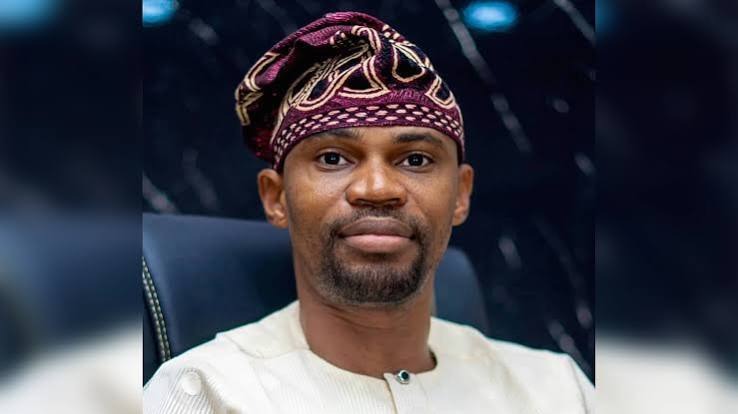
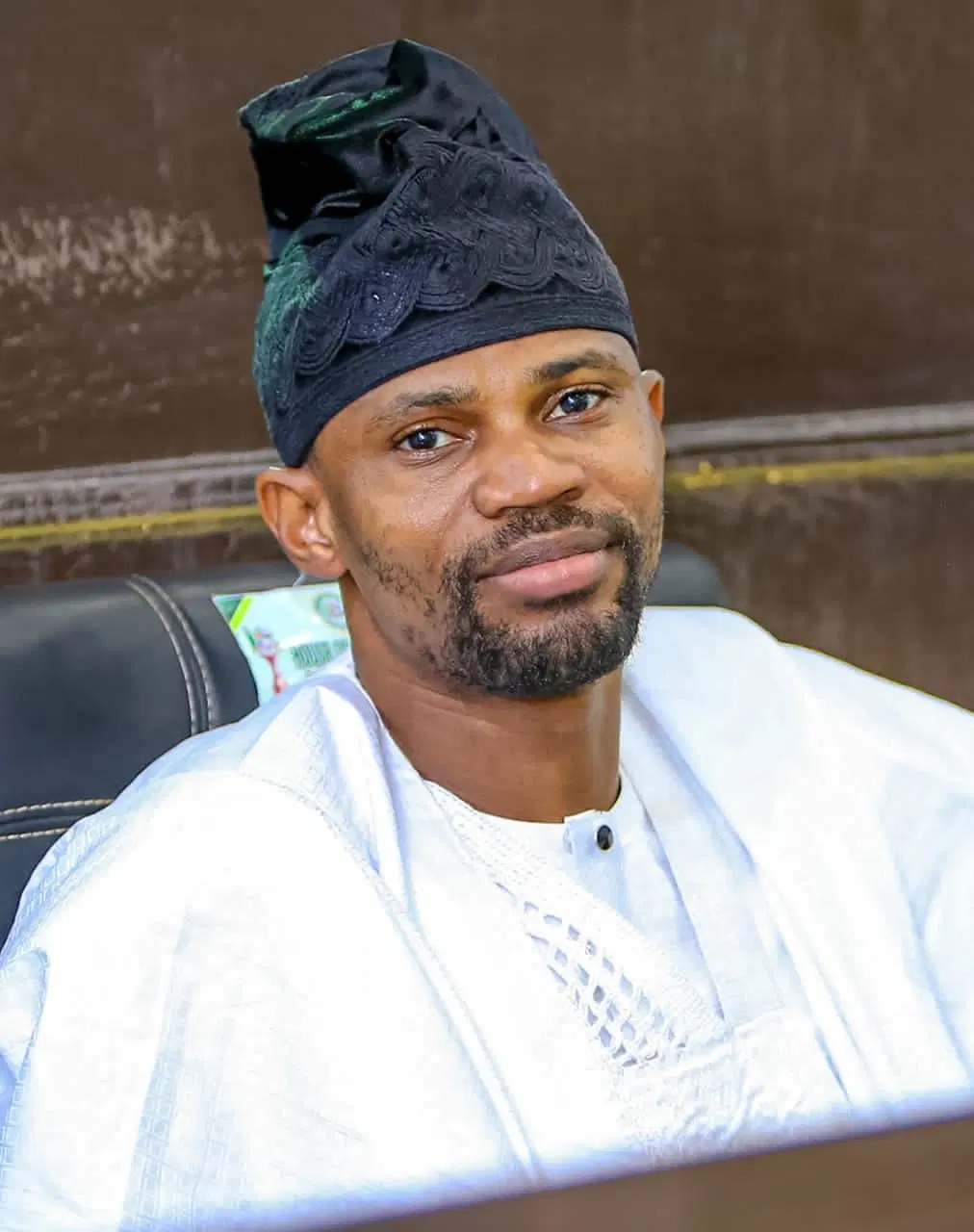
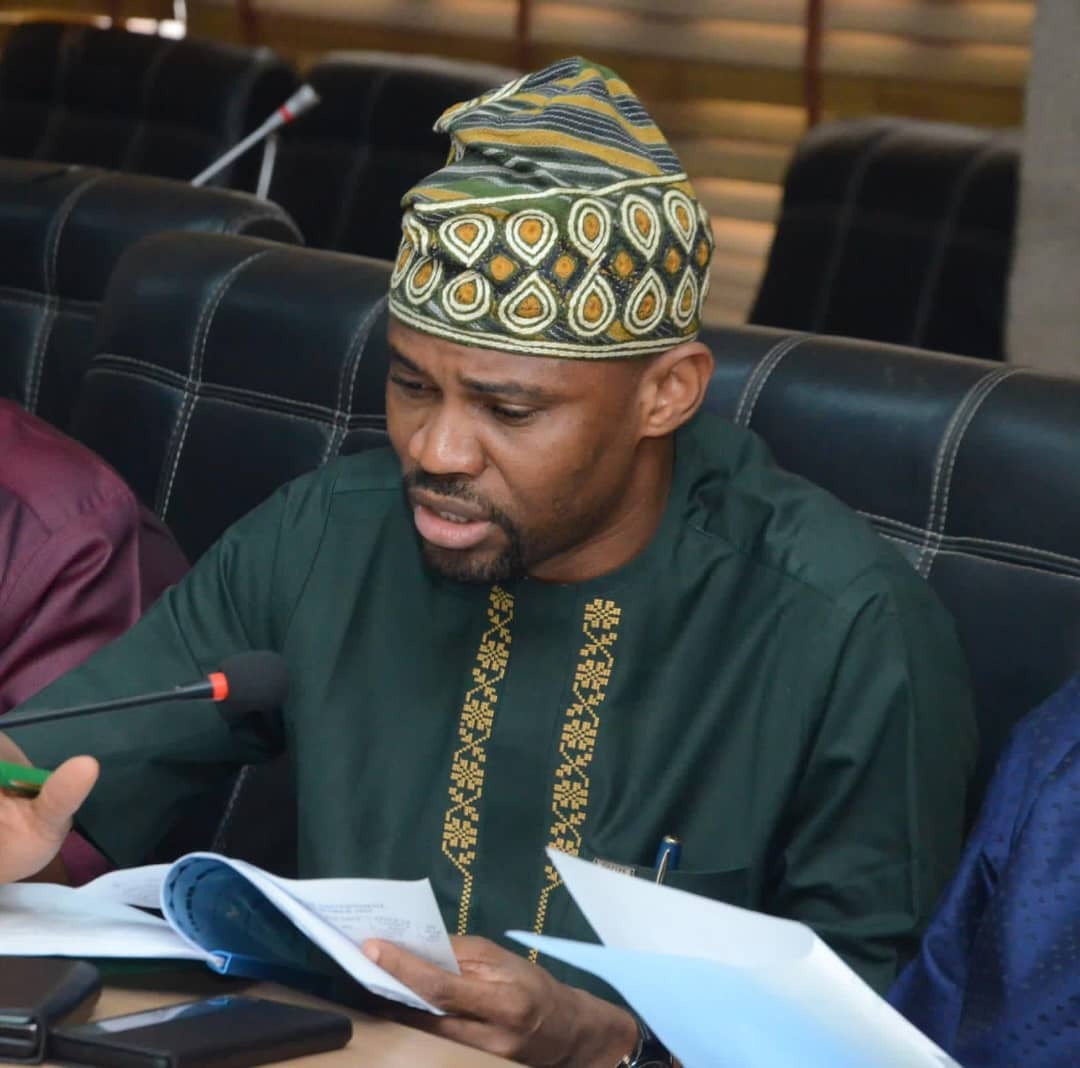
A member of the Oyo Football Association and Chairman of the Ibadan Football Council, Mogaji Rotimi Ali, has said Nigeria is still far from being ready to host the Africa Cup of Nations, citing weak infrastructure, poor facilities, limited influence in African football politics, and neglect of grassroots sports development.
Speaking on the English sports show First Touch on Eagle 102.5 FM, Ilese-Ijebu, on Tuesday, Ali compared Nigeria’s sports environment with Morocco’s, using his recent AFCON experience to highlight the gap. He explained that Morocco boasts multiple world-class training pitches, efficient road networks, and a secure environment that allows teams and officials to move freely at any hour.
“I will start by saying, if you have an idea of hosting AFCON in Nigeria, I will tell you that we are far from it at this point in time. I will take it up from the issue of the sport facilities. I can tell you for real that the training facilities used by the Super Eagles to prepare for their national match against Morocco in Rabat, I have 11 training pitches, all large green, 11 pitches. And in the travel you move around Rabat, you see several training mini-pitches all over, beside the beach, on the road, made use by their kids, I mean, to groom them. And that is even on the sport facilities.”
According to Ali, such basic infrastructure is non-negotiable for hosting a continental tournament, stressing that Nigeria currently lacks the road quality, security confidence, and facility maintenance required to welcome teams and fans from across Africa.
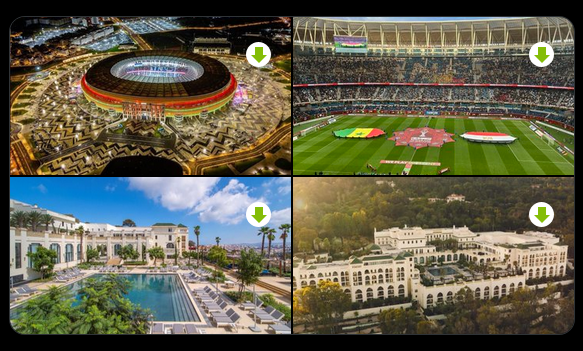
“Now, you go to the basic infrastructure. The night I got to Casablanca, my flight landed at around 1 a.m. We took a car from the airport, and we drove down to Rabat, Amnawa Drive, around 2.30 a.m. There was no single pothole. And you and I know that nobody can do that kind of a trip in Nigeria at this moment, starting at 1 or 2 a.m. There was no single checkpoint. There was no incident. We had a smooth ride from Casablanca to Rabat, and we got to our hotel by 3 a.m. There was no problem anywhere. So, if you are thinking of hosting Africans from all over the world in our nation, it must work on some basic infrastructure before you can even consider that option. Basically, the security and our road network must be on top of it. Those are the basic things. I can say now that it didn’t take us far away from contemplating that idea of hosting Africans.”
Why Nigerian Referees Missed AFCON


Ali also addressed the absence of Nigerian referees at AFCON, noting that officiating appointments are heavily influenced by performance history, perception, and football politics. While acknowledging that Nigeria has competent referees, he said they are not currently ranked among Africa’s elite.
“You see, there is a lot of politics in football, not only in Africa, around the world. So, the appointment of referees, I will tell you, takes a lot to it. Three years ago in AFCON, I had the opportunity of meeting the chairman of the match appointment committee. You know, they always have a camp, too. At AFCON, the referees have a camp, just like all the teams, where they are lodged. They have the training facilities, too, where they do their fitness training. And the man said, yeah, Nigerians, we have good referees. But for AFCON, they want the best.”
He added that negative reports surrounding the domestic league — including match-fixing allegations, crowd violence, and inconsistent officiating — continue to damage Nigeria’s credibility.
“And then, our referees, too, we must try and work. We better lose our ability to play. There is so much bad news coming from Nigeria out there about our league. We hear so much about the match fixing in Nigeria, allegation of bad officiating.”
He further pointed to the strong unity among Francophone football blocs in CAF, contrasting it with Nigeria’s declining influence within the continent’s football power structure.
Facilities: Funds Exist, Intentionality Is Missing
On stadium development, Ali dismissed claims that Nigeria lacks funds, arguing instead that the problem is poor planning and lack of intentional policy.
“Now, we have the fund. Morocco economy on a comparative level cannot be said to be a better economy than Nigeria. Every year we see budgets. When we have a tournament like this, we hear a lot of attention being paid to it. But now nobody is talking about football again. AFCON is gone. The boys are back in their team. And that is the end of it until another three years. It shouldn’t be. We must be intentional about our sporting policy.”
He criticised the widespread use of artificial turf across the country, describing it as a shortcut born out of poor maintenance culture.
“Everybody knows AstroTurf is not even good for the players. It should be grass. So we should go back to it. In those days, ask anybody who was holding up in the 80s, 70s, who played football at Liberty Stadium. I was fortunate and I saw the whole grass pitch in Liberty. It was a standout. And then they came to remove it. Every year now, you go and you watch the things AstroTurf. We need to be intentional about sporting facilities.”
He called for a declared state of emergency in sports infrastructure, proposing at least eight standard stadiums with grass pitches and multiple training grounds spread across the country.
“Declare a state of emergency in our sporting facility phase. And let’s be intentional about it. I believe that in a year or two, it’s something we accomplish. We should be able to have no less than eight good stadiums of at least 60,000 capacity spread across the country with grass pitch and maximum of three training pitches in them. Liberty Stadium, you see there, there are three training pitches, but they are all gone. All the training pitches at Liberty are gone. Liberty is gone. National Stadium, Lagos is gone.”
Super Eagles and AFCON Performance

Despite structural challenges, Ali praised the Super Eagles’ AFCON performance, describing the bronze medal finish as a reflection of commitment, unity, and mental resilience. He noted that the team’s improved FIFA ranking reflects their continental standing.
“The stats says it all, Third in Africa, 28TH in the world, our boys were very good. So that meant they fought enough for the heat lock at the semi-final. And they were in lockdown for the top place. I mean, guys like Osihmen didn’t play. I was in the hotel a few hours before the top place. They were really down. They were really out for this tournament. They wanted to win. They wanted to save their face from their failure to qualify for the World Cup. So now you think the final was a demoralizing development. I believe these kind of boys are up there. And I think in the next, maybe the next tournament, if we are still together, if there is unity of purpose, we might be the champions in East Africa.”
The Super Eagles recently climbed 12 places in the January 2026 FIFA rankings, reaching 26th — their highest position in 16 years — following victories over Mozambique, Algeria, and a dramatic semi-final loss to Morocco on penalties, before winning bronze against Egypt.
Beyond Football: The Forgotten Sports
Ali also lamented Nigeria’s over-dependence on football, urging authorities to revive school sports and grassroots competitions across tennis, athletics, table tennis, basketball, and swimming.
“You cannot produce a non-tennis champion from secondary school. You start from the basic school. Yeah. You cannot introduce somebody into athletics at a higher level. So we need to go back to the basics. Our school sports should be resuscitated. All the state governments must be intentional about our school sports policy.”
He warned that Nigeria’s increasing reliance on diaspora athletes is a sign of domestic system failure, not success. Ali concluded that sports development is a powerful tool for youth engagement, job creation, and national unity, urging governments at all levels to adopt a comprehensive, long-term policy that prioritises grassroots development, facility maintenance, and institutional credibility.
“Until that happens, Nigeria will continue to celebrate isolated successes without building a sustainable sporting future.”

 Eagle Fm