IF NIGERIANS LEAVE, SOUTH AFRICA WILL FAIL — BALOGUN SPARKS DEBATE OVER MIGRANT CONTRIBUTION
Written by Oluwaseyi Amosun on May 7, 2026

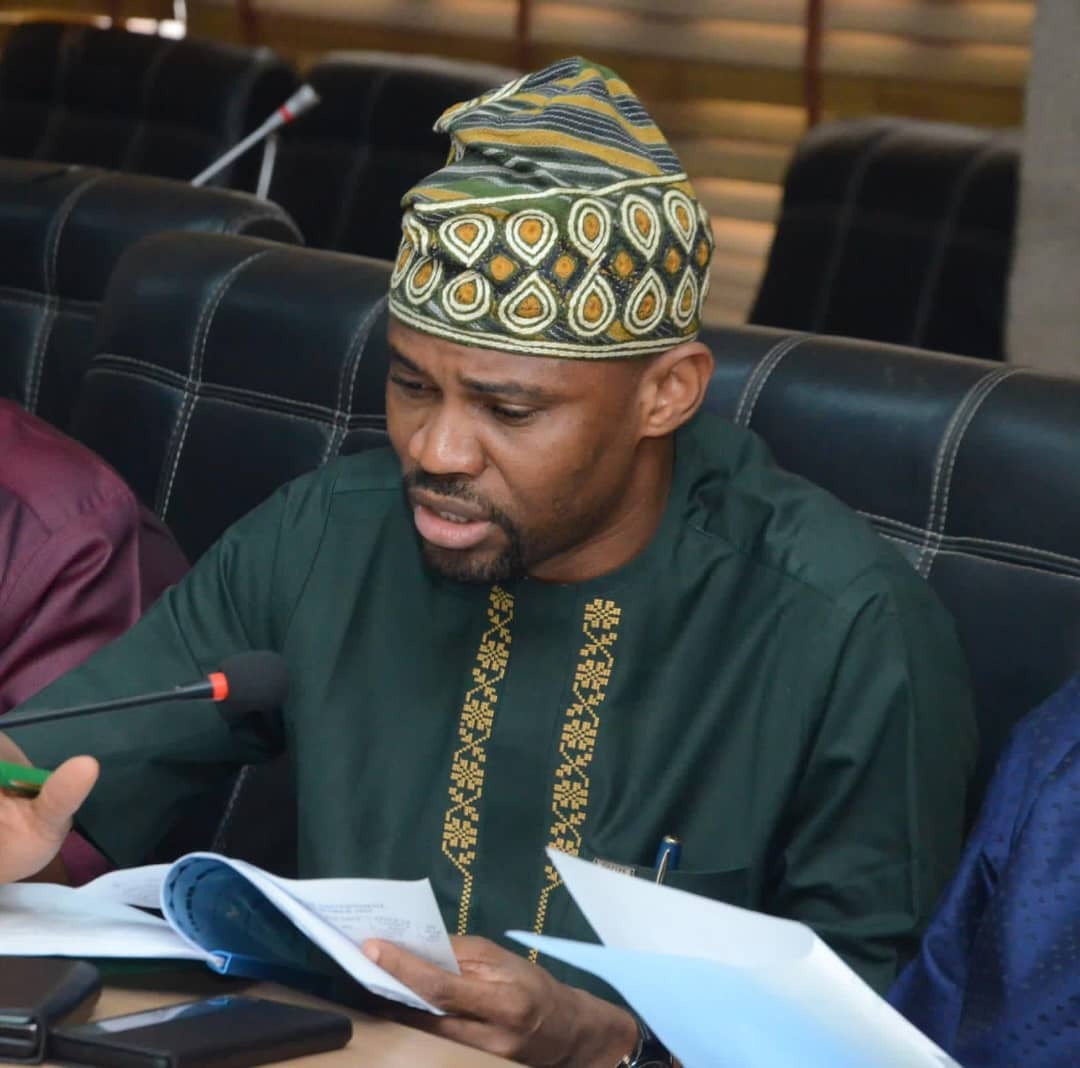
In a strong assertion of Nigeria’s socio-economic presence in South Africa, The Director of Media, Public Relations and Protocol of the Nigerians in Diaspora Commission, Abdulrahman Balogun argued that Nigerians contribute significantly to key sectors of the South African economy, particularly informal and intellectual labour markets.
“If Nigerians should move out of South Africa, South Africa will fail. We are their intellectual power. We are their economic power.”
Speaking in an interview on Frontline, a current affairs programme on Eagle 102.5 fm ilese ijebu, Balogun contextualised the situation within broader global economic challenges, arguing that unemployment and poverty are not unique to Nigeria, but part of a wider international trend.
“There is a globalization of poverty… There’s unemployment happening everywhere. It’s not only in Nigeria.”
According to him, the situation in South Africa reflects broader socio-economic pressures, and serves as a cautionary reminder to Nigerians about migration realities.
He further referenced international migration laws, stressing that freedom of movement is a protected right, but must be exercised within legal and procedural frameworks.
“Under the international migration law, every individual has the right to move freely, unhindered, but you must follow the process of documentation. You must be resident in the country legally.”
Balogun also highlighted the complexities surrounding evacuation efforts, noting that not all Nigerians in crisis situations are willing to return home, even when government arrangements are made for their safety.
“Even we, Nigerians, that we are planning to evacuate… the wife will say, I’m not going. The husband will say, I’m going… Some of them even have those children in South Africa. So they say, we are not going.”
He explained that many of those affected have spent decades abroad, with some born and raised in South Africa, making relocation emotionally and practically difficult.
“We have Nigerians who have lived there 20, 25 years, 30 years. Some of them don’t even have a home… they said they don’t know where to go to.”
According to him, previous evacuation exercises have revealed resettlement challenges, with some returnees requiring temporary accommodation and government-supported reintegration.
Balogun urged Nigerians to view migration and repatriation issues with broader perspective, warning against oversimplification of complex humanitarian decisions.
He also appealed for patience with government efforts, particularly ongoing diplomatic engagements aimed at protecting Nigerians abroad.
“I want to appeal to Nigerians, to be patient with the Nigerian government. This issue will again be resolved, and Nigerians will be safe.”
Balogun emphasised the need for Nigerians in South Africa to remain law-abiding and mindful of their conduct, urging them to act as positive representatives of their country.
“We hope that Nigerians there will behave themselves, be a good ambassador of the country.”





 Eagle Fm