MULTIPLE CANDIDATES SHOW NIGERIA IS NOT A ONE-PARTY STATE, ELECTORAL ACT MUST BE REFORMED— IPAC CHAIR DANTALLE
Written by Oluwaseyi Amosun on June 1, 2026

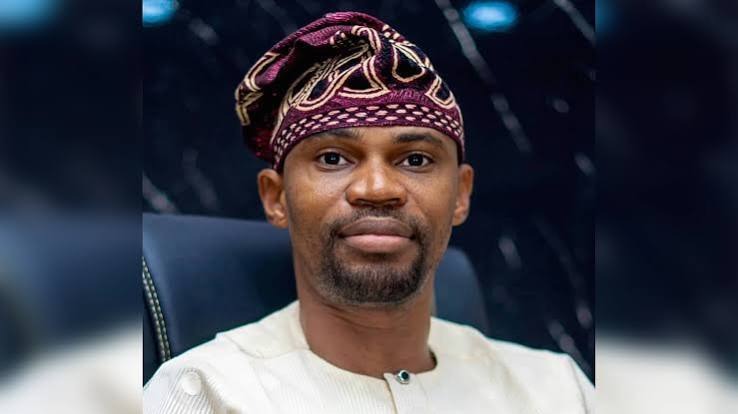
IPAC CHAIRMAN, DANTALLE
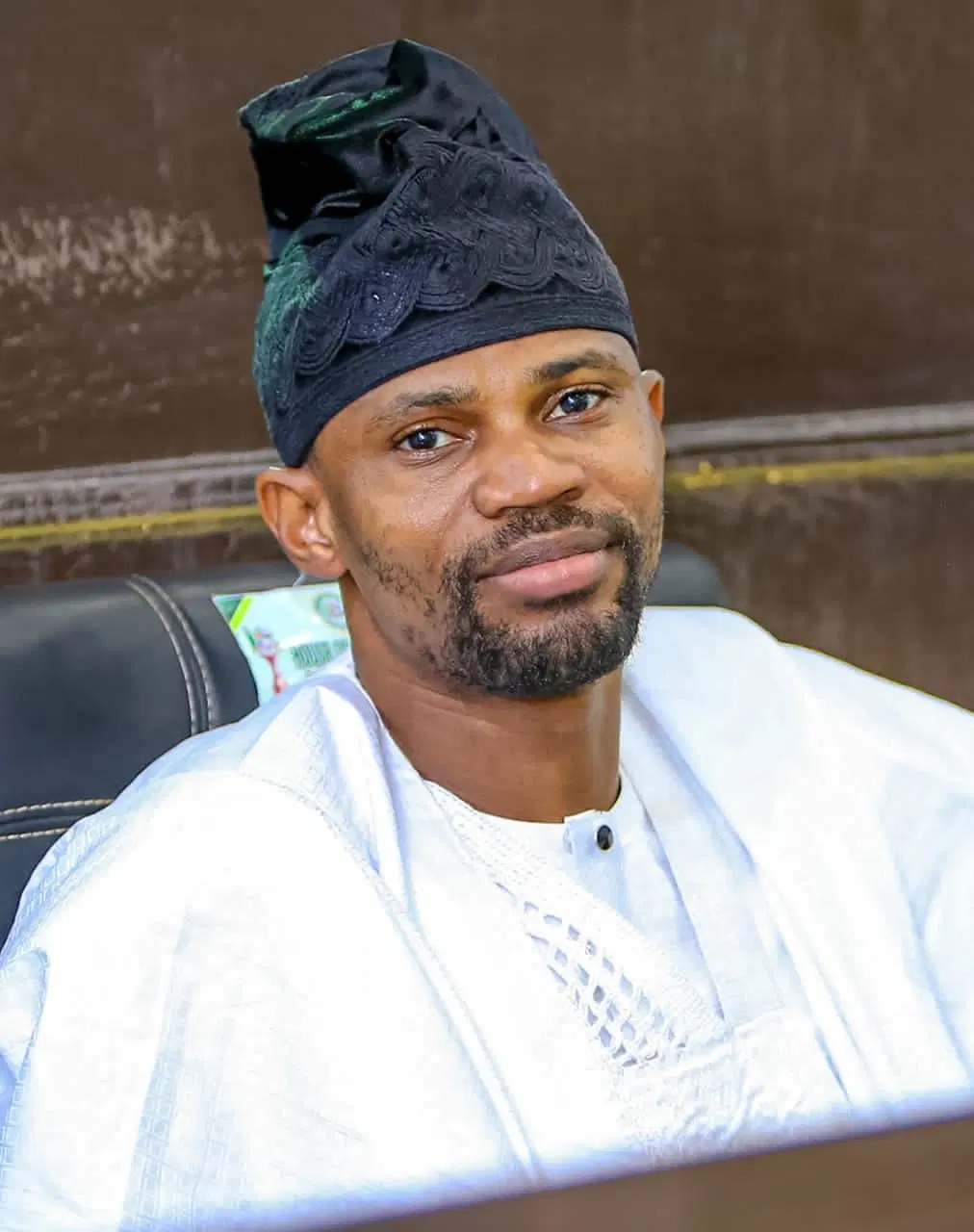
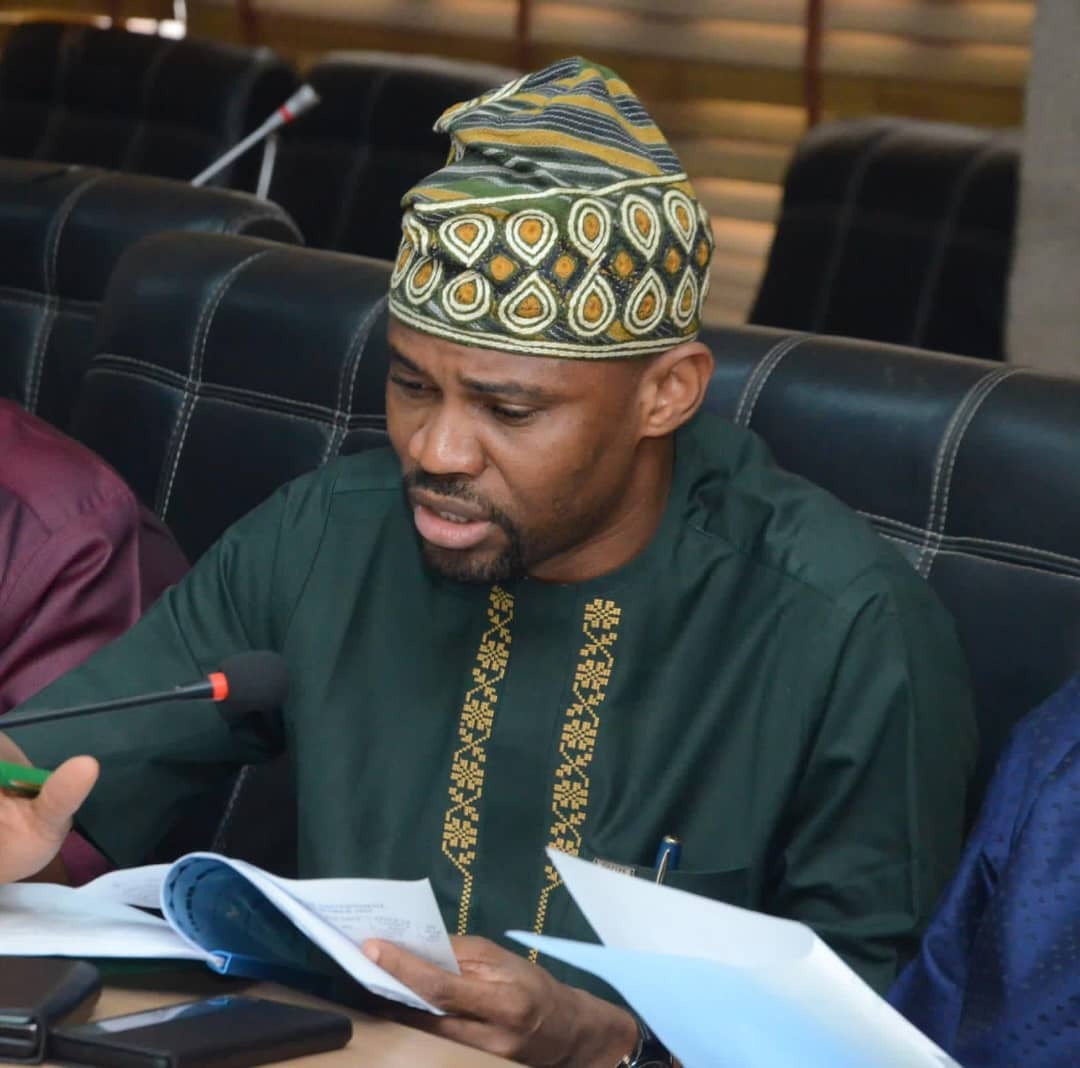
The National Chairman of the Allied Peoples Movement (APM) and Chairman of the Inter-Party Advisory Council (IPAC), Alhaji Yusuf Dantalle, has dismissed concerns that Nigeria is drifting toward a one-party system, insisting that the country’s political structure remains competitive and diverse.
Speaking on Monday during an exclusive interview on Frontline, a current affairs programme on Eagle 102.5 FM, Ilese Ijebu, Ogun State, he argued that the existence of multiple political parties actively fielding candidates undermines claims of political monopoly. He maintained that the electoral environment continues to reflect genuine contestation across parties, despite internal challenges within some political formations.
Recall that across Nigeria’s political landscape, allegations that the current administration is pushing the country toward a one-party state have become a recurring theme in opposition discourse, civil society commentary, and inter-party debates.
These concerns have largely been fuelled by waves of defections from opposition parties to the ruling All Progressives Congress (APC), alongside claims that state institutions are being leveraged to weaken rival political platforms ahead of the 2027 general elections. While the APC has repeatedly denied any intention of dismantling Nigeria’s multiparty democracy, insisting that defections are voluntary and based on ideological alignment, critics argue that the pattern of political realignment signals a shrinking democratic space. Opposition coalitions, including emerging alliances involving major figures such as Atiku Abubakar and Peter Obi, have warned that unchecked political consolidation could undermine electoral competition. In contrast, government officials maintain that Nigeria remains firmly committed to constitutional pluralism and competitive politics, noting that multiple parties are still active and preparing for elections.
Meanwhile, Dantalle anchored his position on what he described as the visible presence of competing parties preparing for elections at all levels. He insisted that political plurality is still evident in Nigeria’s democratic space and cannot be ignored in assessing the system.
According to him, “I think what you are saying is contradictory. My party is APM, there’s APC, there’s NDC, there’s SDP, there’s YPP, there’s NNPP, and everybody is running their race separately. Okay, they are all running their race separately.” He argued that this diversity of parties shows that Nigeria’s democracy remains multiparty in nature.
He further questioned how Nigeria could be described as a one-party state when several political actors continue to emerge from different platforms. He pointed to the number of presidential candidates already declared across parties as evidence of healthy competition.
In his words, “If you say Nigeria is drifting towards a one-party state, how come we now have all these other candidates, you understand, vying for respective individual political party, political offices? Today, you have presidential candidates of not less than 10 that have emerged.” He insisted that such figures are incompatible with the idea of political monopoly.
The IPAC chairman maintained that the political system remains constitutionally open and structurally resistant to domination by any single party. He stressed that political actors continue to pursue power through independent strategies and legal frameworks.
According to him, “So, would you call that a one-party state? Ah, in politics, people or every party would want to win election using their own strategy. So, it is left for others to say yes or no, we agree or we disagree. But whatever will happen within the ambit of the law.” He argued that electoral competition remains the defining feature of Nigeria’s democracy.
Dantalle added that Nigeria’s size and diversity make one-party dominance practically impossible, warning that such concentration would destabilise the political system. He said the continuous emergence of dissatisfied politicians from internal party processes reinforces democratic plurality rather than weakening it.
He stated, “But Nigeria is too big for one party to accommodate the divergent, the various interests, okay, and aspirations of Nigeria. If that party, no party can accommodate, there will be an implosion in the end.” He insisted that political fragmentation is natural in a diverse country like Nigeria.
He further insisted that political disagreements, defections, and realignments are normal features of democratic practice and should not be misinterpreted as systemic failure. He argued that internal party dissatisfaction often leads to mobility rather than suppression of opposition voices.
“So, it is like a continuous disagree with anybody anytime who would say that Nigeria has drifted to one party. It is not a possibility. Yes, anybody can try, but you can’t, not in Nigeria, you understand. It is not possible.” He maintained that Nigeria’s democratic structure prevents one-party consolidation.
ELECTORAL ACT, PARTY REFORMS AND DEMOCRATIC CHALLENGES
Turning to concerns around the Electoral Act and democratic reforms, Dantalle acknowledged that Nigeria’s electoral framework still faces significant challenges requiring urgent attention.
He emphasized that while IPAC remains committed to protecting democracy, it will not support any action capable of undermining the system.
According to him, “Yes, we have issues with the electoral act up till now. We still have issues, but what is important is IPAC will never be part of anything that will truncate democracy in Nigeria.” He stressed that institutional engagement remains the preferred path for reform.
He explained that IPAC’s role is primarily to strengthen democratic processes through dialogue, advocacy, and institutional engagement with stakeholders. He argued that the council serves as a bridge between political parties, INEC, and the Nigerian public.
“IPAC as an institution is meant to deepen democracy, okay, with discussion, okay, advocacy, okay, intervention within the ambit of the law, and then bridging the gap between INEC, political parties, Nigerians, and other related agencies and institutions.” He preserved that reform must remain within legal boundaries.
Dantalle also expressed concern about the conduct of party primaries, describing them as inconsistent with democratic expectations. He noted that some processes appear disorganised and lack transparency, which undermines public confidence.
He said, “You see people counting delegates, okay, from one to ten to fifteen to three thousand at once, you understand, and then we are expected to be called leaders.” He argued that political actors must lead by example.
He further referenced controversies surrounding consensus arrangements and candidate selection processes within parties. He said such issues often raise questions about internal democracy and fairness.
In his words, “We have seen reports, this morning I’ve seen reports, people, some people who are disclaiming some of the activities called consensus candidacy, that there was no election, you understand.” He maintained that these concerns must be addressed to strengthen trust in the system.
Despite these criticisms, Dantalle insisted that democratic institutions must be preserved and protected at all costs. He warned against actions that could destabilise the political system, stressing the importance of continued engagement.
“We will never burn the house, okay, we won’t throw the baby at bad water, we’ll continue to work with all stakeholders.” He argued that reform must be gradual and cooperative.
He also reaffirmed that Nigeria’s constitutional framework remains the ultimate guide for electoral conduct and governance. He stated that any changes to electoral laws must follow legislative procedures.
“By the constitution of the Federal Republic of Nigeria, it has been, it is already a law. And the only way to change the law is through the National Assembly.” He said that legal processes must be respected.
Dantalle urged citizens to actively participate in shaping the political system through elections and civic engagement. He encouraged voters to hold leaders accountable and reject practices like vote buying.
“If you are satisfied and or not satisfied with the current composition of the National Assembly, those who chose to elect you, come and vote them out. Elect who you want. Reject a peanut or that evil called vote buying.” He insisted that citizens hold ultimate power in a democracy.
He concluded that while Nigeria’s democracy faces structural and behavioural challenges, it remains active and salvageable through collective responsibility.
He maintained that reforms in electoral systems, governance, and public accountability are necessary for progress.
In his parting words, he said “You have to love your country. Nobody will come and do it for us. We have another opportunity in 2027.”
Dantale insisted that Nigeria’s democratic future depends on civic participation and institutional reform.



 Eagle Fm