BAYO AYANGA WARNS OF JUSTICE DELAY IN OWO TERROR CONVICTION, RAISES CONCERNS OVER STATE CAPACITY AND DETERRENCE
Written by Oluwaseyi Amosun on June 4, 2026

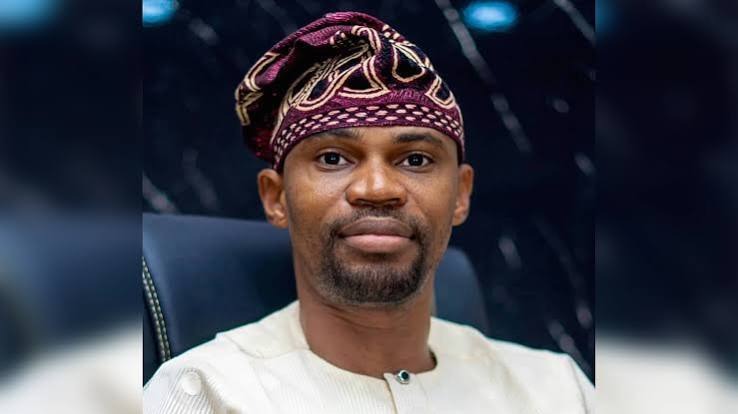
A public affairs commentator, Bayo Ayanga has said that while the Federal High Court judgment sentencing four out of five terrorists involved in the 2022 St. Francis Catholic Church, Owo attack to death may represent justice on paper, it raises deeper questions about delay, enforcement, and the state’s capacity to deter future attacks, insisting that the slow pace of prosecution in terrorism-related cases reflects systemic weaknesses within Nigeria’s justice delivery process.
“Any which way that we look at it, justice has been purported to be served. I’m choosing my words very carefully,” he said, noting that the length of the trial alone exposes inefficiencies that continue to undermine public confidence in high-profile criminal prosecutions.
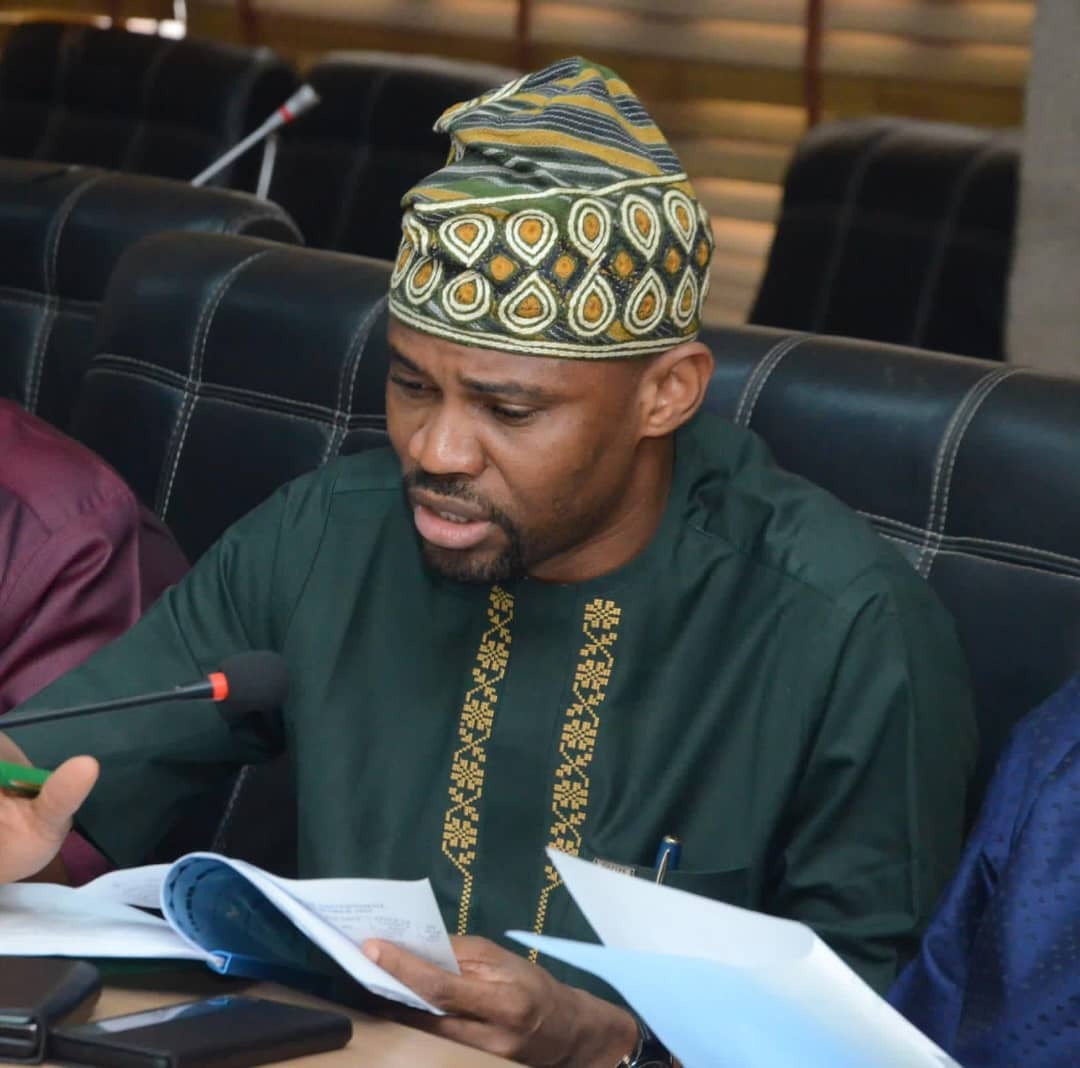
Speaking during an exclusive interview on Frontline, a current affairs programme on Eagle 102.5 FM, Ilese-Ijebu, Ogun State, Bayo pointed out that the timeline from the 2022 Owo church attack to the 2026 judgment underscores what he described as a troubling judicial delay that could weaken both deterrence and accountability in terrorism cases.
“The first thing is that June 2022 to June 2026 is four years. Why would it take four years to prosecute this case at the very first instance of prosecution?” he asked.
Bayo warned that the conviction may still not bring final closure, as appeals could extend the case further into years of litigation, potentially reaching the Supreme Court.
“By the time you get to appeal, it is still going to go to the Supreme Court according to the defence lawyer. So, how I wish that upon conviction at the first instance, justice will be executed,” he said.
The analyst also raised concerns about the financial burden of keeping convicts in state custody after sentencing, questioning the sustainability of a system where condemned individuals remain alive in detention for years.
“At whose expense will they be feeding for the next maybe four years?” he asked, adding that Nigeria’s failure to enforce capital punishment where applicable has created a cycle of symbolic justice without final execution.
“Between 1999 till date, I’m not aware that any governor has signed a death warrant. So you have so many convictions to death, and they are still feeding at the expense of the Nigerian state,” he added.
Bayo further argued that while legal due process must be respected, the slow enforcement of justice weakens deterrence and emboldens criminal actors.
“The law is blind, but the court only works with evidence presented before it. But we are in perilous times,” he said.
He described the current security climate as one of widespread fear, noting that insecurity has become deeply embedded in the daily psychology of Nigerians.
“The kind of fear in the mindset of the average Nigerian right now is something you can take a knife to try to cut through. It is as thick as that,” he said.
The discussion also revisited the broader implications of repeated attacks on religious and civilian spaces, with reference to the Owo massacre and other incidents across the South-West and other regions of the country.
“That scene is still called the Owo massacre. It was a massacre, not an Owo shootout,” Bayo said, rejecting attempts to downplay the scale of the attack.
He argued that insecurity has increasingly become normalised, with citizens adapting to fear as part of everyday life, while government responses remain largely reactive rather than preventive.
Bayo criticised what he described as the state’s reliance on routine condemnations and redeployment of security personnel without visible long-term results.
“They condemn in strong terms. They tell the service chiefs to redeploy. And it continues to happen,” he said.
He warned that such responses inadvertently allow non-state actors to dictate national behaviour, especially when public activities are altered due to threats or attacks.
“When scheduled activities are disrupted or cancelled because of a terrorist act, those are things the terrorists want. They feel they are controlling the state,” he said.
The analyst called for stronger state authority and decisive action capable of restoring public confidence and breaking what he described as the psychological grip of fear.
“The state must rise up and say, we are the ones in control, not non-state actors,” he said.
He also referenced repeated incidents of abductions and attacks across different parts of the country, warning that selective interpretation of insecurity as political or isolated weakens national response.
“A crime is a crime. If you say it is politically motivated, are you saying the children who were abducted orchestrated political motivation?” he asked.
Bayo cautioned against the unregulated empowerment of informal security structures, noting that history has shown risks of armed groups evolving beyond their original mandate.
“If you are not careful, you will be giving power to non-state actors, and then they become something else at the end,” he warned.
He, however, acknowledged the potential value of structured local security collaboration if properly coordinated under state authority, citing intelligence gathering and surveillance as key areas of improvement.




 Eagle Fm