DEMOCRACY DAY: NIGERIANS YET TO BENEFIT FULLY FROM DEMOCRACY, AYANGA QUESTIONS ELECTORAL LEGITIMACY
Written by Oluwaseyi Amosun on June 10, 2026

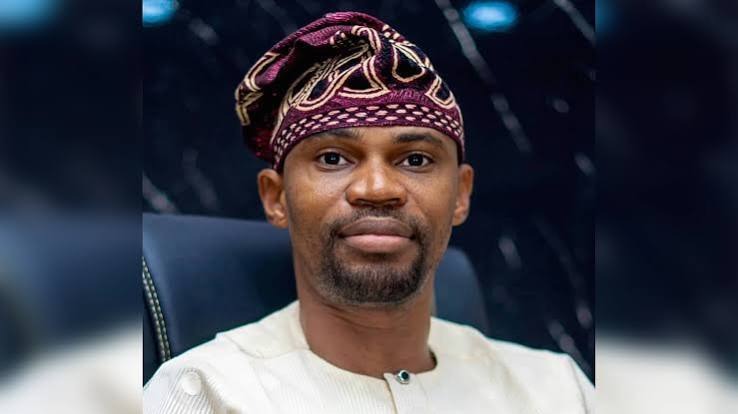
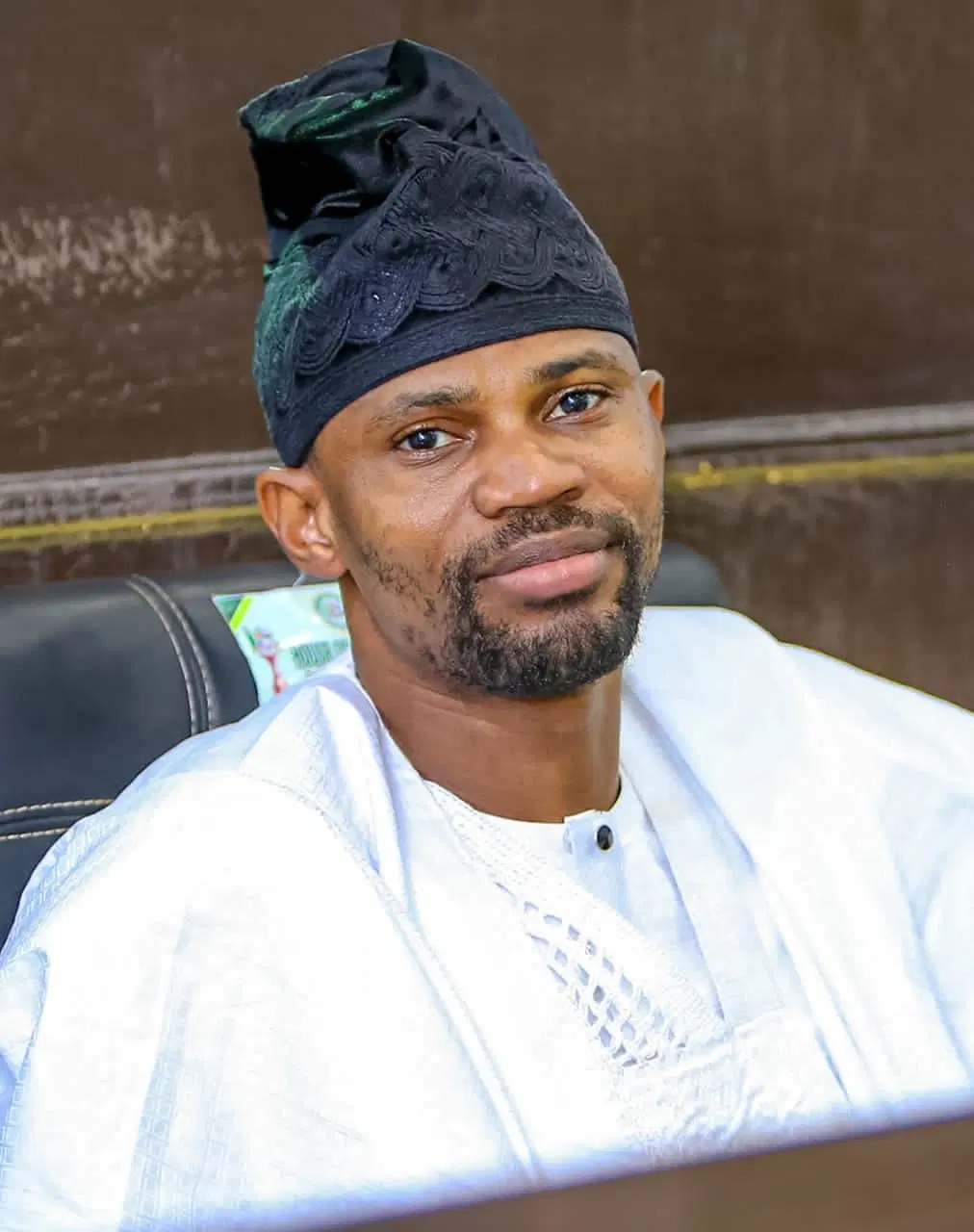
A public affairs analyst and Chairman of the Ijebu North East Forum (INEF), Bayo Ayanga, has questioned whether ordinary Nigerians have truly benefited from the country’s 27 years of uninterrupted democratic rule, arguing that the democratic process has failed to consistently reflect the will of the people.
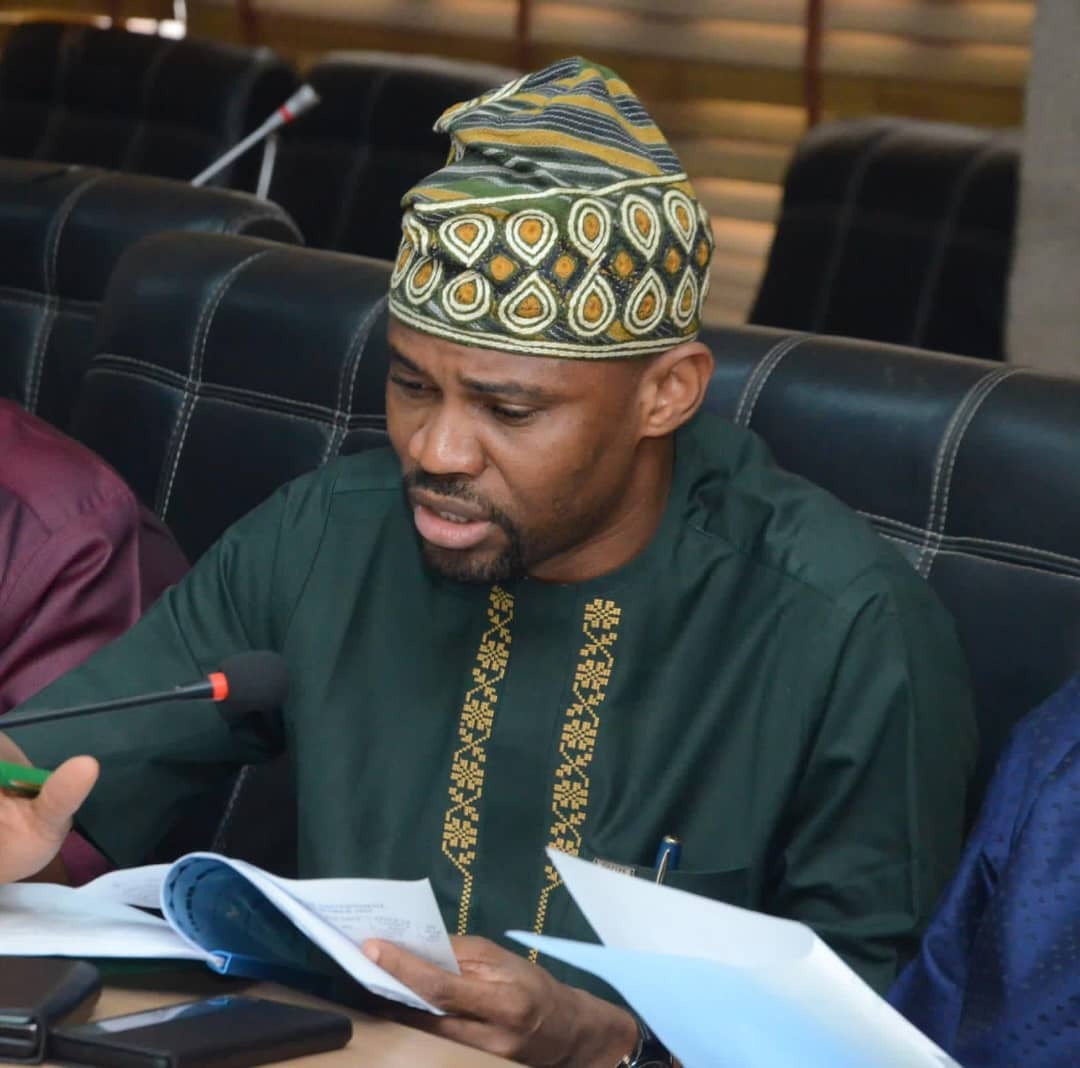
Ayanga stated this today during an interview on Frontline, a current affairs programme on Eagle 102.5 FM, Ilese-Ijebu, Ogun State, while reacting to discussions surrounding the 2026 Democracy Day celebration and the state of governance in Nigeria.
His remarks came against the backdrop of a Federal Government press conference detailing economic and social reforms under the “Renewed Hope Agenda” in Abuja where the Secretary to the Government of the Federation, George Akume, acknowledged the economic hardship being experienced by Nigerians but maintained that recent economic indicators point to improvements in key sectors under the current administration.
Other officials including Minister of Information Mohammed Idris, and Presidential Aide Bayo Onanuga at the briefing, posited that it acts as a mid-term review, highlighting 27 years of uninterrupted democracy.
While acknowledging that Nigeria has sustained democratic governance since the return to civilian rule in 1999, Ayanga argued that uninterrupted democracy alone should not be used as the sole measure of democratic success. According to him, the fundamental question remains whether democratic governance has genuinely translated into benefits for the majority of citizens.
“The people are really benefiting from democracy. Which, that is an undeniable fact. When it comes to democracy, as in uninterrupted democracy, this is the first time in the history of Nigeria that we have had uninterrupted democracy between 1999 till today. And we are talking about 27 years. So, we can say, oh yes, we have had an uninterrupted and unbroken democracy between then and now,” he said.
The analyst, however, maintained that democracy must be assessed beyond its continuity, stressing that governments must emerge through processes that genuinely reflect the choices of the electorate if they are to serve the people’s interests.
Drawing from the widely accepted definition of democracy as a government of the people, by the people and for the people, Ayanga argued that concerns surrounding the credibility of elections over the years have weakened citizens’ confidence in the democratic system.
He referenced comments previously made by late President Umaru Musa Yar’Adua regarding flaws in the election that brought him to power, noting that electoral irregularities have continued to cast doubt on whether political leaders truly emerge through the popular will of Nigerians.
“So, if we should go about that definition, then the question is, have the subsequent governments from 1999 till today, have they been won, have they been by the people? Is it true that it is the people that have been voting in subsequent governments and administrations in this country? Is it truly by the people?” Ayanga queried.
He continued, “Because, if it’s not by the people, then obviously it can’t be for the people. Because it is when it is by the people that it can be for the people. So, but if it’s not by the people, then it cannot be for the people.”
Speaking further, Ayanga criticised what he described as the failure of political parties to fully embrace democratic principles within their internal structures. He argued that despite reforms introduced through electoral legislation to widen participation and reduce imposition of candidates, the implementation of party primaries has often fallen short of expectations.
According to him, the intention behind electoral reforms was to give party members greater influence in determining candidates who would represent them during elections, but the reality has not always reflected those aspirations.
“You see, that’s what I’m saying. That’s what I’m saying. Look at, see, the intention of this 2026 Electoral Act was to give room for the people. That’s the intention of the drafters of the electoral act. To give room for the people, to choose who will represent them. Who will carry their flag,” he said.
Ayanga maintained that although some individuals and groups may have benefited from democratic governance over the years, the majority of Nigerians continue to struggle with economic hardship and limited access to the dividends of democracy.
He argued that widespread migration aspirations among young Nigerians reflect dissatisfaction with governance outcomes and a desire for opportunities in countries where democratic institutions are perceived to function more effectively.
“Are we benefited from democracy? The people of Nigeria? No. No. That’s my answer to that,” he stated.
The comments come as Nigeria marks 27 years of uninterrupted civilian rule on June 12, 2026, anchoring the nation’s longest stretch of democratic governance since independence, with debates continuing over the extent to which democratic institutions have translated into improved living conditions, economic prosperity and inclusive governance for citizens.
Nigeria first started its journey with democracy upon gaining independence from Great Britain on October 1, 1960. However, this initial democratic era was short-lived and disrupted by recurring military interventions.
The uninterrupted democratic era that Nigeria enjoys today known as the Fourth Republic officially began on May 29, 1999, when the military permanently handed over power to an elected civilian president, in person of former President, Olusegun Obasanjo.

 Eagle Fm