MONETISED POLITICS THREATENING DEMOCRATIC INTEGRITY – ALABI WARNS
Written by Oluwaseyi Amosun on June 12, 2026
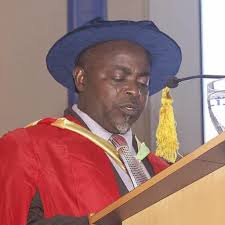
A former Speaker of the Osun State House of Assembly and ex-member of the House of Representatives, Mojeed Alabi, has raised concerns over what he described as the excessive monetisation of Nigeria’s political space, warning that the trend is gradually eroding democratic values and shutting out capable leaders.
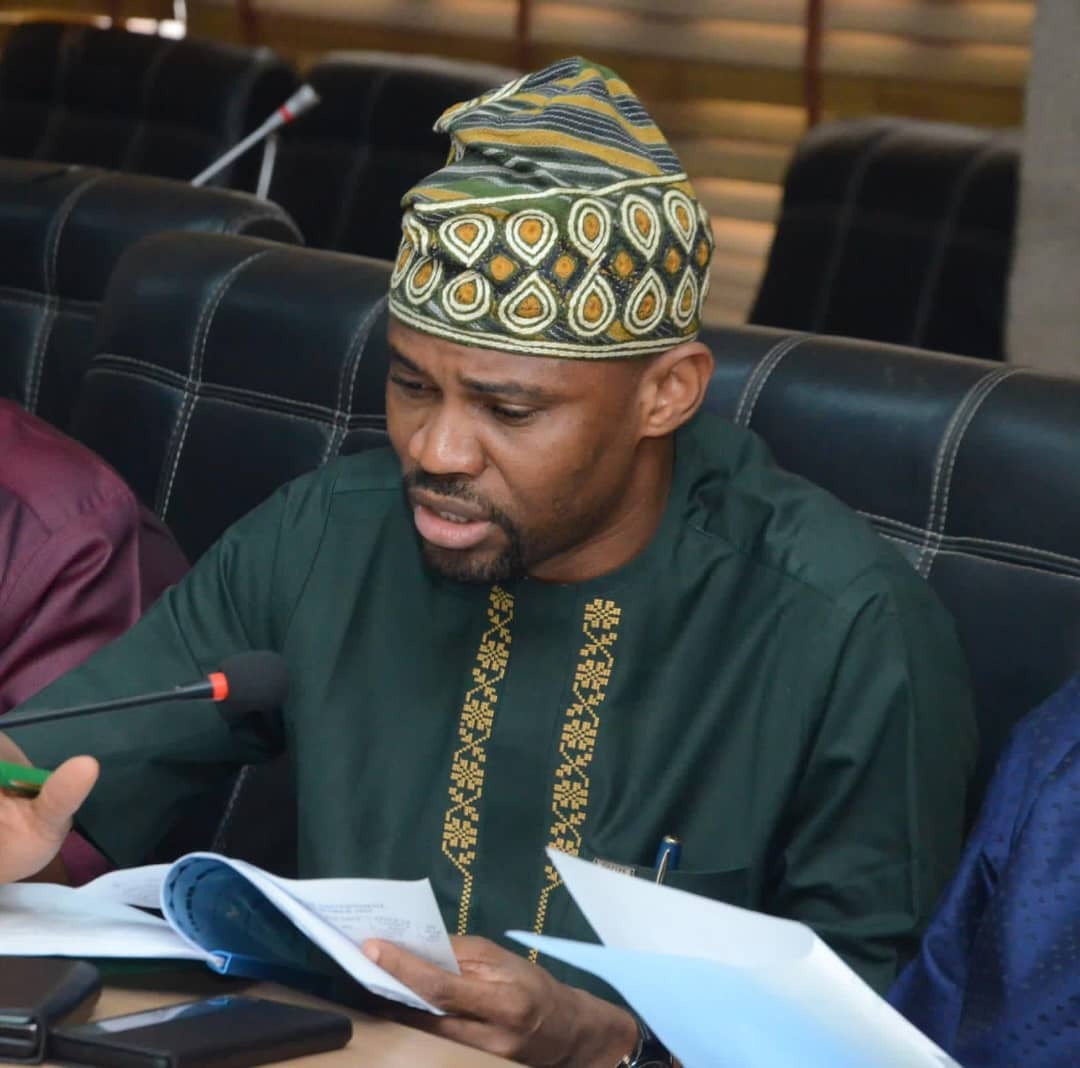
Speaking on Frontline, a current affairs programme on Eagle 102.5 FM, Ilese-Ijebu, Ogun State, Alabi said Nigeria’s political system has become heavily driven by money, making it increasingly difficult for individuals with genuine intentions but limited financial strength to participate meaningfully in governance.
He explained that the structure now favours those with financial capacity over competence, vision, and integrity.
“As an insider, I must tell you that as of today, our politics is too monetized. And because of the level of monetization that it has achieved, it has become very difficult for men of goodwill to want to go into the system because one, you don’t have the resources. Those who have the resources do not have the capacity,” he said.
Alabi lamented that the imbalance between financial strength and leadership competence has created a system where neither ideal category of aspirants fully thrives.
According to him, “those who have the capacity do not have the financial wherewithal,” adding that this reality has turned politics into what he described as a “race for money making” rather than public service.
Alabi underscored the depth of financial pressure now associated with elective offices in Nigeria, noting that the scale of spending required to contest elections raises fundamental questions about accountability, source of funds, and the integrity of those who eventually emerge as candidates: For instance, In my state in Osun here today, the people we are seeing in front, who are going to be elected, are not there because they are the best, but because they are the ones that can gather the resources together and his first thinking once he assumes office will be how to recoup his money, not how to make the system better,” he said.
The former lawmaker revealed how aspirants now reportedly spend hundreds of millions of naira to contest elections: “I was talking to a younger individual very recently. And I was taken aback when the young individual said, on this thing I have expended over 300 million naira and I said, for what? House of rep? Is it the same House of rep that I went? The question we should be asking is where does that individual get the money to spend? People who work hard for their money will not probably plunge into that”
He stressed that such investments distort public service motivation, arguing that those who genuinely intend to serve will not engage in such financial risks.
Reflecting on reforms in the political system, Alabi argued that attempts to institutionalise internal democracy and structured party processes have unintentionally deepened monetisation. “When the steps of alteration of the constitution were made in 2009-2010, one of the things they put there is to start asking all political parties to follow a line of recruitment that ensure that we must
He further expressed concern that internal party democracy in Nigeria has become heavily distorted by financial influence, arguing that the processes leading to the emergence of candidates are often shaped by monetary power rather than transparent electoral outcomes: “That is where that one has taken us to today. To the extent that when primary elections are conducted… you cannot hear the result until you get to Abuja. A lot of things happen along the way. A lot of money goes into that process,” he lamented.
Calling for urgent reforms, he urged political stakeholders across all levels to work towards reducing the cost of participation in politics and strengthening internal democracy within parties.
According to him, leadership must take deliberate steps to “demonetize the process” and make politics accessible to citizens with ideas rather than wealth: Both president, leaders of political parties, members of national assembly, they must all find a way of demonetizing the process, of making participation in politics less a short cut to wealth, of making the system attractive to people who are unable to afford the fund but have ideas of how to bring better things”
ALABI OPPOSES SIX-YEAR SINGLE TENURE PROPOSAL, BACKS CURRENT ELECTORAL CYCLE
The Former Speaker dismissed the growing calls for a single six-year tenure for presidents and governors, describing the proposal as self-serving and disconnected from the realities of good governance.
Alabi argued that discussions around tenure elongation or restructuring of electoral terms should be guided strictly by performance and accountability rather than personal or political convenience.
According to him, limiting leaders to a single term could be counterproductive, especially if it removes incentives for sustained performance or denies citizens the opportunity to retain competent leadership, “As far as I’m concerned, what is important is having good governance. And if having four-four-year election will serve that purpose to help us know whether somebody that is working is doing well or not and we can renew his mandate. So if somebody is good, and we saw him good, we now say, oh, he cannot do two-time because he’s a single-term.I don’t fall to all those petty ideas. No, I don’t believe in it,” he said, I believe we should retain it as it is so that there can be opportunity for us to assess whether somebody is doing well, we allow him to continue, or if not doing well, we throw him out. All this is based on the fact that our election will be free, fair, and credible, he added.


 Eagle Fm