THE DECEMBER RUSH: HOW CHRISTMAS BECAME NOLLYWOOD’S BIGGEST MOVIE SEASON
Written by Oluwaseyi Amosun on August 20, 2026
 by Lemo Oluwadamilola Precious
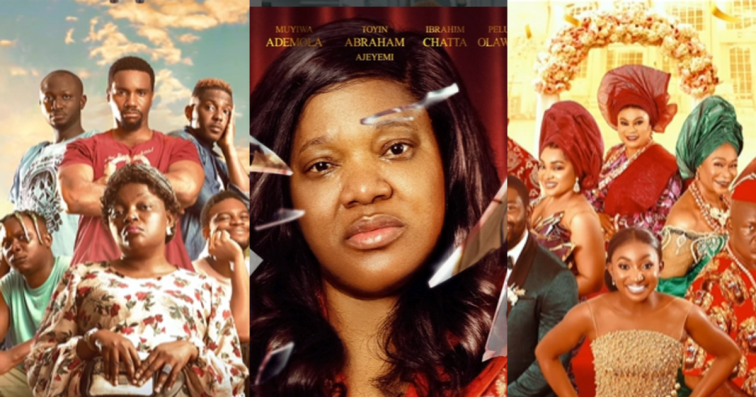
At a cinema in Lagos during the Christmas season, the atmosphere is noticeably different. Families arrive together, teenagers gather in groups, couples turn cinema outings into dates, and Nigerians returning home for the holidays join the crowd. At the entrance, posters of competing Nollywood films compete for attention, while inside, cinema halls fill up with audiences deciding which of the season’s biggest productions deserves their money. For some, it is Funke Akindele’s latest blockbuster. For others, it is Toyin Abraham’s comedy or another highly anticipated Nigerian release. The cinema, during this period, becomes more than a place to watch films; it becomes part of the Christmas experience.
Every December, something strange happens to Nollywood. A period that was once simply associated with the release of a few festive films has gradually become the industry’s biggest commercial battleground. Major filmmakers deliberately position their movies for the Christmas period, actors become the faces of promotional campaigns, cinemas prepare for increased patronage, and audiences are presented with a crowded list of local productions competing for their attention and money. The strategy has become so successful that young growing actors and actresses now take their movies to Cinema by December.
The transformation did not happen overnight. One of the films that helped demonstrate the commercial possibilities of the festive season was Fifty ,produced by Mo Abudu and released in December 2015. The following year, the phenomenon became even more visible with The Wedding Party, directed by Kemi Adetiba and released in December 2016. Starring Banky W, Adesua Etomi, Sola Sobowale and Richard Mofe-Damijo, the film became a major box-office success and showed filmmakers that Nigerians were prepared to spend heavily on local productions during the festive period. Its success helped establish December as a tool in which a Nigerian film could become not just popular, but a national talking point.


Since then, the competition has grown. Films such as The Wedding Party 2 in 2017, Merry Men , and Sugar Rush in 2019 were among the major Nigerian titles that targeted the Christmas audience. But in recent years, one filmmaker has become particularly associated with the December box office: Funke Akindele.
Akindele’s December dominance became particularly noticeable with Omo Ghetto: The Saga, released in December 2020. The film performed strongly despite the challenges facing the cinema industry at the time and eventually grossed more than ₦600 million. She followed it with Battle on Buka Street in December 2022, which also became one of Nigeria’s biggest theatrical successes. Her biggest breakthrough came with A Tribe Called Judah, released on December 15, 2023. The film crossed the ₦1 billion mark and became the first Nollywood production to reach that milestone in Nigerian cinemas.
The following year, Akindele returned with Everybody Loves Jenifa, released in December 2024, and once again demonstrated the power of the festive period. The film became a major box-office success, with industry figures placing its West African gross at about ₦1.8 billion. Its performance reinforced Akindele’s reputation as one of the most commercially powerful filmmakers in the Nigerian cinema market.
Then came Behind the Scenes in December 2025. Released on December 12, the film, directed by Funke Akindele and Tunde Olaoye, opened to more than ₦200 million in its first weekend and continued its record-breaking run throughout the Christmas period. By December 29, FilmOne Entertainment announced that it had crossed ₦1 billion, with the film recording ₦129.5 million on Boxing Day alone. By January 2026, its reported gross had exceeded ₦2 billion, making it the first Nollywood film to cross that mark.
Akindele’s success, however, has not gone unnoticed by other major filmmakers. Toyin Abraham has increasingly become one of the prominent names competing for the December audience. Her December releases have included Alakada: Bad and Boujee, released in 2024, which finished the year with more than ₦229 million in box-office revenue. In December 2025, she returned with Oversabi Aunty, released on December 19. The film opened with ₦100.5 million in its first weekend and eventually became one of the year’s major Nigerian box-office performers.
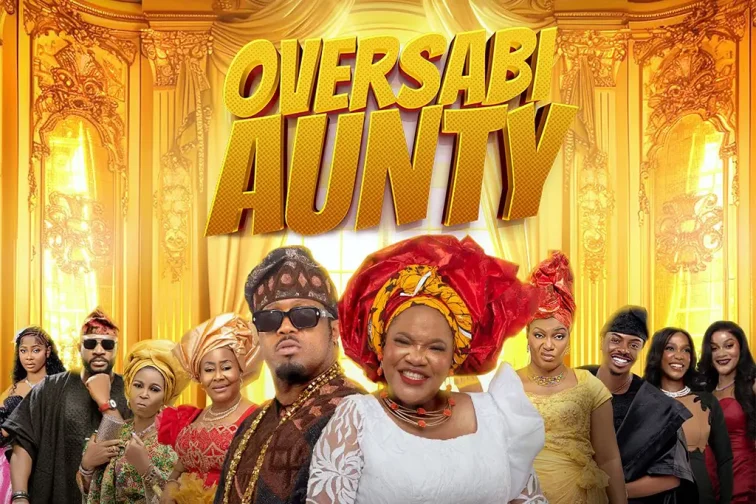
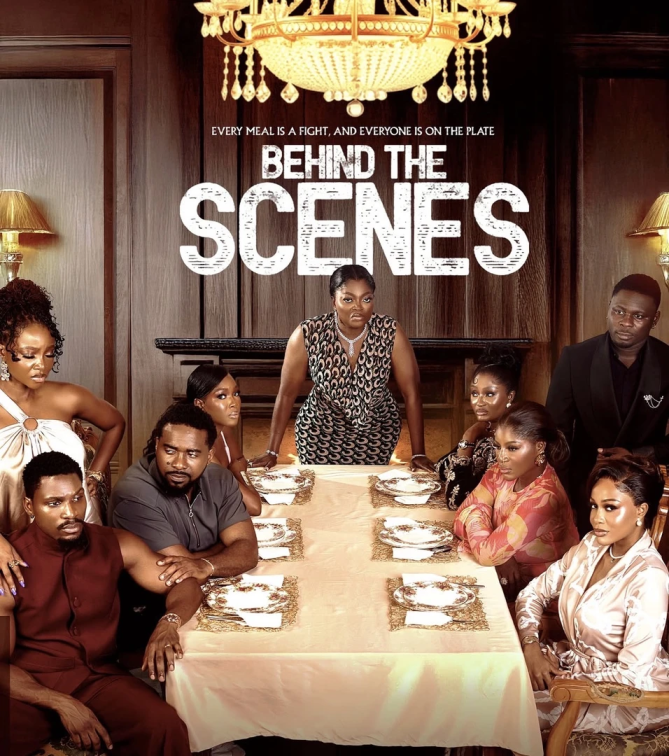
Abraham has not been the only filmmaker challenging Akindele’s dominance. The December race has increasingly attracted other established names. In 2023, for example, audiences had to choose between major releases such as Akindele’s A Tribe Called Judah, Abraham’s Malaika and Mercy Aigbe’s Ada Omo Daddy. In 2025, the competition included Ini Edo’s A Very Dirty Christmas and Niyi Akinmolayan’s Colours of Fire, alongside Akindele’s Behind the Scenes and Abraham’s Oversabi Aunty.
The figures explain why so many filmmakers want a place in the December rush. According to the 2025 Nigeria Box Office Yearbook compiled by FilmOne, Nigerian cinemas generated approximately ₦2.95 billion in December 2025 from 487,606 admissions. That was the highest December box-office performance in five years. December 2024 had generated about ₦2.8 billion from 538,341 admissions, while December 2023 recorded about ₦1.69 billion from 469,324 admissions.
The numbers also reveal something important about the Nigerian audience. Although December 2025 recorded fewer admissions than December 2024, revenue increased. This suggests that audiences were still willing to spend on the cinema experience, even as ticket prices and the general cost of entertainment continued to rise. For filmmakers and distributors, the message is clear: December remains one of the safest periods to put a major production in cinemas.
Why December? One explanation is simple. Nigerians have more time to entertain themselves. Christmas brings school holidays, annual leave, family gatherings, parties and social events. Nigerians living abroad also return home in large numbers, adding to the population of people looking for things to do during the festive period. Cinema therefore becomes part of the larger December entertainment economy.
For young Nigerians, particularly, going to the cinema can be part of the wider “Detty December” experience. A group of friends may attend a concert, go out to eat and then watch a movie. Families may choose the cinema as a relatively simple Christmas outing. Couples may also use it as a date. Nigerians returning from abroad may want to experience the latest local film with friends and relatives. In other words, filmmakers are not merely competing for people who want to watch movies, they are competing for a share of the entire festive entertainment budget.
That opportunity, however, comes with a major challenges.
THE BATTLE FOR THE SCREENS
Every cinema has a limited number of screens and each screen can only accommodate a certain number of shows in a day. When several major films are released around the same time, cinema operators have to decide which productions receive prime-time slots, additional screens and longer runs. A film that attracts large crowds can quickly receive more showtimes, while a production that performs poorly may lose screens.
INTENSE COMPETITION
December has also created intense competition among fans, especially as viewers look forward to comparing major Nollywood releases. Fans and movie critics often review the films, rate their performances and place one movie above another. This is particularly noticeable in the rivalry between Funke Akindele and Toyin Abraham, whose films have become subjects of comparison during the festive season. Supporters sometimes exalt one filmmaker’s movie while criticising or degrading the other, turning the December movie season into more than just entertainment but also a competition among fan bases.
CHALLENGE OF MOVIE PIRACY
The December rush has also contributed to the challenge of movie piracy. With the amount of money required to watch several films in the cinema, some viewers who are eager to see trending movies but cannot afford the cost resort to unauthorised copies shared online. Platforms such as Telegram have become places where movies still showing in cinemas are sometimes circulated illegally. The demand is often driven by curiosity and the desire to know what a highly talked-about movie is about, but the practice poses a challenge to filmmakers and the cinema industry because it can affect the revenue they expect to generate from the theatrical release.
Also this competition has increasingly become part of the conversation around Nollywood’s December releases. In 2025, some filmmakers publicly raised concerns about cinema scheduling and screen allocation. Colours of Fire director Niyi Akinmolayan, for instance, publicly complained about alleged problems surrounding the screening of his film, while Toyin Abraham also raised concerns over the treatment and scheduling of Oversabi Aunty. Such complaints highlight the pressure created when several highly anticipated productions enter cinemas during the same short period.


Yet the December boom is not necessarily a bad thing for Nollywood. In fact, it demonstrates that Nigerians still have an appetite for locally produced theatrical entertainment. The success of films released outside December also suggests that the industry is capable of attracting audiences throughout the year when the right content is available. In 2025, for example, Gingerrr ,released in September, grossed more than ₦522 million, while Ori: The Rebirth, released in May, crossed ₦419 million, showing that major Nigerian films can perform strongly outside the festive period.
Still, the attraction of December is difficult to ignore. Funke Akindele’s run from Omo Ghetto: The Saga to Battle on Buka Street, A Tribe Called Judah, Everybody Loves Jenifa and Behind the Scenes has shown just how powerful a well-positioned festive release can become. Toyin Abraham’s Alakada: Bad and Boujee and Oversabi Aunty, alongside productions from other filmmakers, have further turned the season into a competitive marketplace.
For now, December remains Nollywood’s biggest movie rush. The cinema doors open, families and friends arrive, the posters go up and filmmakers wait to see whose story will capture the public imagination.




 Eagle Fm