HOW SOCIAL MEDIA IS CHANGING SPORTS FANDOM
Written by Oluwaseyi Amosun on August 31, 2026

By Adebowale Solomon
As a new football season kicks off, one of the clearest places to read a fan’s mood is no longer the stadium terraces but the timeline. Fandom has moved onto phones and feeds, and it has taken on a life of its own there. A missed penalty, a controversial red card, a January transfer rumour, each one now plays out in real time across millions of screens, shaping how supporters feel about their clubs long before the next match arrives.
For many football fans, the excitement of a big match no longer begins with the referee’s whistle. It starts hours, sometimes days, before kick-off, with a notification on a smartphone.
A fan wakes up to transfer rumours on X, watches a player’s training video on Instagram, argues with rival supporters in a WhatsApp group, checks TikTok for match predictions and later joins thousands of others online to celebrate, or complain, about the result.
For Black Prince, a Manchester United fan, social media has become an important part of following sports. He relies mainly on X for sports updates and believes the platform has made it easier for fans to stay informed and engage with sporting events.
According to him, social media allows fans to discuss matches before and after games because of the constant flow of updates available online. While he acknowledged that social media can sometimes make sports discussions toxic, he believes it is “majorly exciting and engaging.”
His view reflects a wider transformation in sports fandom. Social media has changed the way supporters consume sports, communicate with one another and interact with athletes and clubs. Fans are no longer simply spectators who watch games from the stands or in front of their television sets. They have become active participants in a digital sports community.
For Stylez, a neutral football fan, the change has been significant. He described social media as having improved the way he follows sports and receives news, noting that fans can now access real-time updates, stream sporting events and follow prominent sports journalists and reporters.
“With social media, I can stream live sport events and follow updates time to time on handles like Fabrizio Romano and others,” he said.
Stylez mainly uses X to follow sports, while also turning to YouTube for streaming and TikTok for sports highlights. He believes the different platforms have created different ways for fans to experience and engage with sports.
The growth of social media has also made it possible for supporters to feel closer to their favourite teams.
Stylez said he feels more connected to his favourite team because he can receive real-time information directly from the club’s social media pages.
The relationship between fans has also changed. Supporters can now interact with one another before, during and after matches, creating a continuous conversation that extends beyond the final whistle.
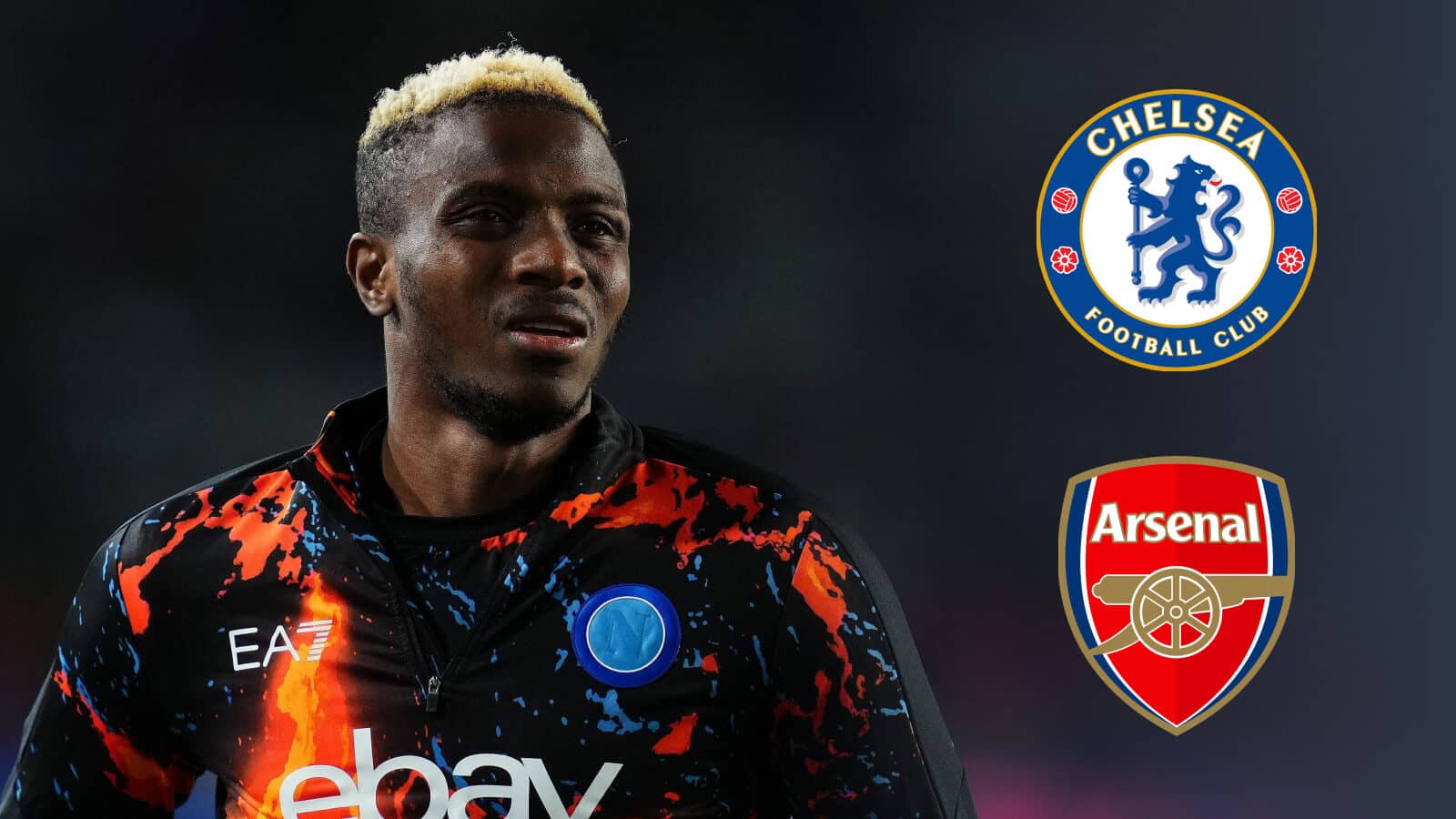
Recent examples across Europe’s top leagues show how far this has gone. When Julian Alvarez was booed by his own Atletico Madrid supporters during a La Liga fixture against Villarreal in August, clips of the jeering spread across X within minutes, feeding weeks of transfer speculation that had already been fought out online between Atletico and Barcelona. The clubs themselves joined in, trading mocking posts as fans picked sides. A similar pattern played out around Victor Osimhen, where a fabricated transfer graphic claiming he had agreed a move to Wolves circulated widely before being debunked, even as genuine transfer interest from Chelsea sent Nigerian and English fans into competing waves of excitement on the same platforms.


According to Stylez, social media has given fans a platform to predict match outcomes, debate athletes and discuss sports news. Even after matches have ended, supporters continue to analyse performances and argue over results.
For Black Prince, the interaction has made sports fandom more engaging. He believes social media can strengthen the traditional sports fan experience, particularly through online activities that bring people together.
He argued that social media would not necessarily weaken the experience of watching sports on television. Instead, he believes online interaction can strengthen the bond among fans while they watch and discuss games.
However, the digital transformation of sports fandom has not been entirely positive.
The same platforms that allow fans to celebrate their teams can also become spaces for abuse, harassment and toxic arguments. Players are often criticised heavily after poor performances, while fans can attack one another over club rivalries.
Jay, a Manchester United and Cristiano Ronaldo fan, believes social media has been “life changing” for sports fandom but has also created chaos for players.
According to him, athletes now face increased criticism and racial abuse as a result of the intense scrutiny that comes with being active in the digital age.
Jay, who mainly uses Twitter to follow football, said social media has strengthened his emotional connection to the sport. He recalled the emotional pain he experienced when Ronaldo was eliminated from the World Cup, demonstrating how deeply online sports culture can connect fans to the fortunes of their favourite athletes.
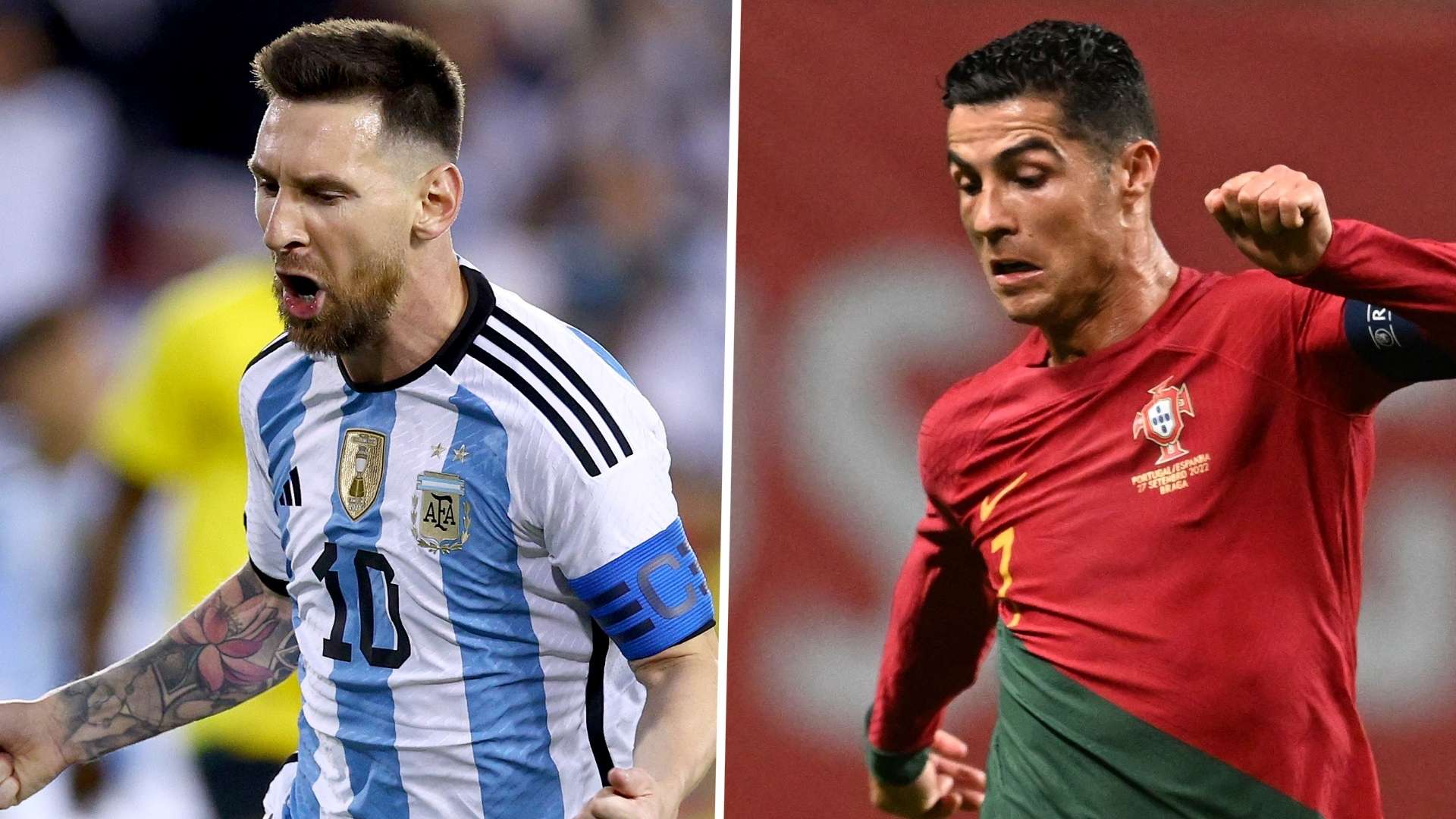
Nowhere is that emotional investment more visible than in the long-running Messi-Ronaldo GOAT debate, which flared up again during this year’s World Cup. Ronaldo’s slow start against DR Congo drew instant online mockery next to Messi’s hat-trick, only for Ronaldo to answer with a record-breaking volley days later that flipped the conversation on its head. Fan armies on both sides spent the tournament trading statistics, memes and outright insults, a rivalry between supporters that has arguably outlasted any real tension between the two players themselves.
The darker side of social media, however, remains a major concern.
Jay believes social media has made sports fandom both more exciting and more toxic. He also raised concerns about what he described as racial bias in online sports conversations, arguing that the same media environment can sometimes praise white players while treating Black players negatively.
Stylez also acknowledged the negative side of online sports discussions. While he believes social media has made sports more exciting and engaging through fan banter, he noted that excessive banter can become toxic.
The spread of misinformation is another challenge facing modern sports fans.
Transfer rumours, injury updates and breaking sports news can reach millions of people within minutes. While this has made sports coverage faster, it has also created challenges around misinformation.
For Black Prince, the problem is serious enough that he prefers to rely on verified sports websites and journalists for information.
Stylez also believes that fake news and transfer rumours cannot be completely eliminated, but he tries to protect himself from misinformation by following official club pages and trusted media outlets.
Jay, however, believes misinformation is becoming increasingly common in sports discussions. He pointed to the backlash experienced by transfer journalist Fabrizio Romano over reports and rumours as an example of the growing problem surrounding sports information online.
This has made media literacy increasingly important for sports fans. In an environment where anyone can publish information and rumours can become viral within minutes, supporters must learn to distinguish between verified reports and unconfirmed claims.
The English Premier League and EFL have not been spared this cycle either. Deadline-day windows now play out almost entirely online, with fabricated graphics, unverified “here we go” posts and club social media teams openly trolling rivals turning transfer news into its own spectator sport, separate from whatever happens on the pitch.
Despite these challenges, social media has also given fans a stronger voice.
Stylez believes fans now have the opportunity to influence clubs and sports organisations because their opinions can be heard directly online. Clubs can monitor fan reactions, while sports organisations can observe public sentiment and respond to issues raised by supporters.
At the same time, the influence of social media has increased pressure on athletes.
Jay believes criticism, insults and online abuse can have psychological and emotional effects on players. The constant exposure to public opinion means athletes are no longer judged only by journalists or experts. Every performance can trigger thousands of comments from fans around the world.
Yet, social media continues to expand the boundaries of sports fandom.
A supporter with a smartphone can follow live updates, watch highlights, participate in debates and communicate with fans from different parts of the world. The traditional sports audience has gradually evolved into a digital community that is constantly connected.
For Black Prince, the future of sports fandom lies in combining the traditional experience with the opportunities provided by social media.
He believes social media, if properly used, can strengthen the traditional experience of watching sports on television by creating more interaction and bringing fans together.
The passion that drives sports fandom may not have changed, but the way fans express that passion certainly has. From match predictions and transfer rumours to online banter and emotional reactions, social media has transformed sports from an activity that fans simply watch into an experience they actively participate in.
The modern sports fan does not have to wait for the next day’s newspaper or sports programme to discuss a match. The conversation begins before kick-off, continues throughout the game and often lasts long after the final whistle.
Social media has given sports fandom a new digital home, one where every goal, defeat, controversy and victory can become part of a global conversation within seconds.



 Eagle Fm
Pingback: