$7.5 MILLION, ₦1 BILLION AND A FOOTBALL REVOLUTION: CAN NPFL27 DELIVER?
Written by Oluwaseyi Amosun on August 31, 2026
By Emmanuel Shonibare
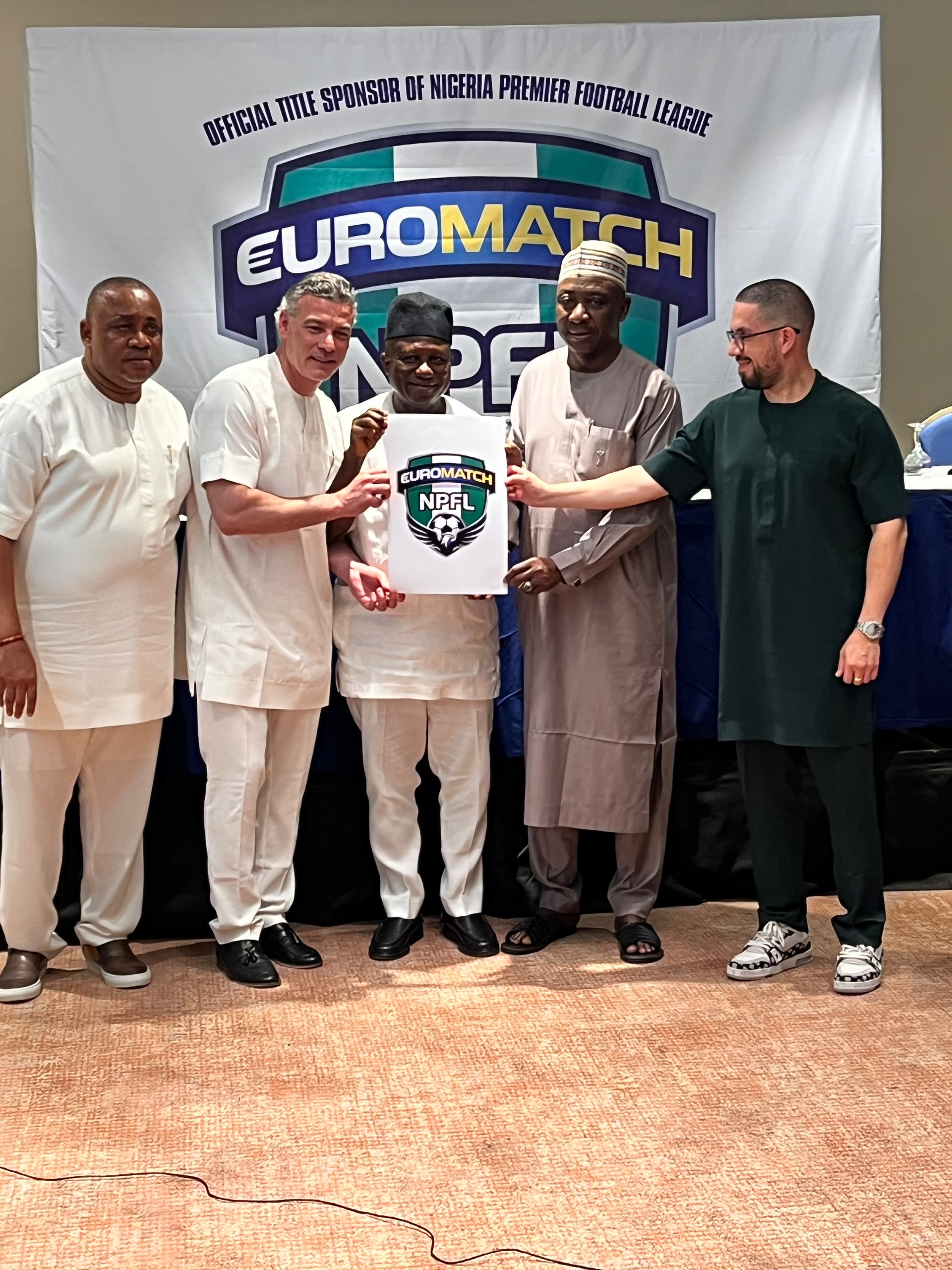
The Nigeria Premier Football League has never entered a season quite like this. Backed by a new $7.5 million title sponsorship from Euromatch, a record ₦1 billion prize for the champions and a football administration facing mounting pressure for reform, NPFL27 arrives carrying expectations that extend far beyond the pitch. For years, Nigerian football has spoken about untapped potential.
This season presents a rare opportunity to turn that potential into measurable progress.
At the centre of the league’s new commercial direction is Euromatch, a Warsaw-based gaming and technology company that has committed $7.5 million to a three-year title sponsorship agreement with the NPFL, worth $2.5 million a season. The investment is significant, but the real story is not the size of the deal. It is what the money can help achieve.
For a competition that has spent a decade grappling with concerns over visibility, financing, broadcasting and commercial appeal, the partnership offers a chance to reposition the league as both a football competition and a viable sporting business. It is worth some context: Euromatch’s $7.5 million over three years is a fraction of what South Africa’s Betway Premiership commands in a single sponsorship cycle, reportedly worth R900 million.
For the NPFL, though, coming off a decade without a title sponsor since Globacom’s exit in 2016, even this scale of investment counts as oxygen. As NPFL27 unfolds, success will not be measured by sponsorship announcements or unveiling ceremonies. It will be judged by what supporters see every week, in stadiums, on television screens and across digital platforms.
A Commercial Vote of Confidence
The significance of Euromatch’s arrival becomes clearer against the league’s recent history. Since Globacom’s exit as title sponsor in 2016, the NPFL has operated without a major naming-rights partner, surviving instead through institutional backing, strategic partnerships and the resilience of clubs determined to keep Nigerian domestic football moving forward. Euromatch’s decision to commit $7.5 million is therefore more than a sponsorship agreement. It is a commercial endorsement of the league’s potential.
NPFL Chairman Gbenga Elegbeleye has disclosed that 60 percent of the sponsorship proceeds, about $1.5 million a season, will be distributed directly to participating clubs. Alongside that, the National Sports Commission has proposed raising the minimum monthly wage for top-flight players from ₦150,000 to ₦2 million, a change that, if implemented, would mark one of the most significant shifts in player welfare the league has attempted in years. If properly managed, these funds could improve player welfare, strengthen club administration, enhance travel logistics and support more professional football operations. The impact extends beyond finances. Better-funded clubs are more capable of retaining talent, investing in infrastructure, improving their media departments and creating environments where players can thrive. In turn, stronger clubs make for a stronger league, one that is more attractive to supporters, broadcasters and investors. That is the ecosystem the NPFL must now build.
Where the Money Meets the Football
The financial stakes have never been higher. The winner of NPFL27 will receive a record ₦1 billion prize, with runners-up taking home ₦500 million and third place ₦300 million, raising the significance of every point earned throughout the season. Defending champions Rangers International return with ambitions of retaining their crown, while traditional powerhouses such as Enyimba, Rivers United, Kano Pillars, Shooting Stars, Bendel Insurance and Plateau United remain determined contenders.
Yet the league’s evolution is not being driven solely by its established names. Clubs such as Ikorodu City, Sporting Lagos and Inter Lagos represent a new generation of football organisations that understand the importance of branding, digital engagement and commercial growth. They are joined by Abia Warriors, Barau FC, Doma United, Katsina United, Kun Khalifat, Kwara United, Nasarawa United, Niger Tornadoes, Ranchers Bees and Warri Wolves. Together, they form a league entering a new era, one where commercial visibility is increasing and expectations are rising alongside it.
The Media Revolution May Be the Biggest Winner
While the sponsorship figures dominate headlines, one of the most significant transformations could occur away from the pitch. Football consumption has changed dramatically. Supporters no longer wait for the next day’s newspaper to learn what happened during a match. They expect team news before kick-off, live updates during games, instant highlights after the final whistle and behind-the-scenes access throughout the week. They want transfer announcements presented creatively, player interviews, training-ground content and club documentaries, rivalries amplified online and stories that extend beyond ninety minutes.
Many NPFL clubs are beginning to respond. Ikorodu City has built its identity as much through its “Oga Boys” social media presence, matchday recaps and cup-run storytelling as through results on the pitch, while Sporting Lagos has leaned into its return to the top flight to rebuild an online following from scratch. Social media managers, photographers, videographers, designers, podcasters, bloggers and sports journalists are becoming increasingly important players within the domestic football ecosystem. The league itself has moved in the same direction: Elegbeleye has confirmed plans for a dedicated NPFL social media department, staffed by sports journalists and young digital creators, tasked with telling the league’s story consistently across platforms rather than leaving it to individual clubs. The Euromatch partnership could accelerate this shift further by giving clubs greater resources to produce and distribute content capable of reaching younger audiences. The battle for football relevance is no longer fought only in stadiums. It is increasingly being fought on phone screens.
Why Euromatch Is Betting on Nigeria
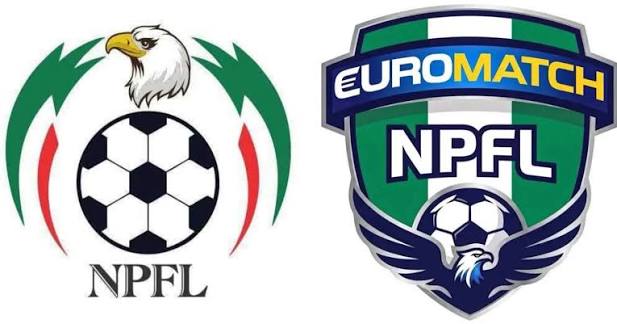
The sponsorship also raises an important question: why Nigeria? The answer lies in the country’s enormous football market. Nigeria has consistently produced elite footballers who have succeeded across Europe and beyond, yet the domestic league that develops many of those players has often struggled to receive equivalent international attention. For Euromatch, that disconnect represents opportunity. The company is effectively betting that greater professionalism, stronger visibility and improved commercial structures can unlock value within Nigerian football. It is a business decision, but it is also a vote of confidence in the future of the NPFL.
Perhaps the most fascinating aspect of the Euromatch deal is its timing. The sponsorship arrives at a moment when Nigerian football itself is undergoing significant administrative turbulence and renewed calls for reform. The league’s commercial growth now coincides with broader conversations about governance, accountability and long-term development, placing greater responsibility on football administrators to ensure that new investments translate into sustainable progress. For the NPFL, that presents both challenges and opportunities. A successful domestic league cannot operate independently of the broader football system. Better governance can strengthen development pathways, improve confidence among stakeholders and create a healthier environment for clubs. Likewise, a thriving NPFL can become one of the strongest foundations upon which Nigerian football rebuilds public trust. The two processes are now closely linked.
What Will Fans Actually Gain?
Ultimately, supporters will decide whether this new era has succeeded. Will more matches become accessible to fans? Will television and streaming coverage improve? Will clubs communicate more effectively with supporters? Will players become recognisable personalities rather than anonymous names on team sheets? Will stadiums become safer, more attractive destinations? Will young Nigerians actively follow their domestic league rather than merely hearing about it? These questions matter because sponsorship alone changes nothing. Visible improvements are what create belief. The $7.5 million provides opportunity. What matters now is execution.
ICYMI: https://eaglefm.ng/how-social-media-is-changing-sports-fandom/
The Real Test Begins Now
There is no shortage of optimism surrounding NPFL27. The Euromatch partnership has delivered fresh investment. The ₦1 billion championship prize has increased competitive stakes. Club media operations are becoming more sophisticated. And broader conversations about football reform have created pressure for meaningful change. The ingredients for progress are in place. What happens next will depend on how effectively those opportunities are utilised. If clubs manage resources responsibly, if media investment translates into greater visibility, if player welfare improves and if football administration becomes more transparent and accountable, NPFL27 could be remembered as more than the season a new sponsor arrived. It could be remembered as the season Nigerian football finally began treating its domestic league as a serious commercial product.
The money has arrived. The spotlight is brighter. The expectations are higher. The league has been handed an opportunity few imagined possible a few years ago. Now it must prove it can make it count.

 Eagle Fm