APC, Opposition Clash Over Tinubu’s Revenue Growth Claim
Written by Oluwaseyi Amosun on September 4, 2025

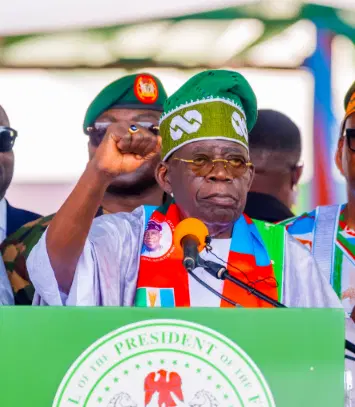
PHOTO FILE: President Bola Ahmed Tinubu, GCFRN, President of Nigeria.
The All Progressives Congress (APC) and opposition parties on Wednesday traded words over President Bola Tinubu’s declaration that Nigeria had already met its 2025 revenue target, months ahead of schedule.
While the ruling APC hailed the achievement as proof of Tinubu’s economic reforms, opposition parties, including the African Democratic Congress (ADC), Labour Party (LP), New Nigeria Peoples Party (NNPP), and the Coalition of United Political Parties (CUPP), dismissed the claim as empty statistics that fail to reflect the harsh realities Nigerians face daily.
Economists also weighed in, expressing doubts about Tinubu’s assertion that the Federal Government has stopped borrowing locally, pointing to ongoing debt market activities by the Debt Management Office (DMO) and the Central Bank of Nigeria (CBN).
TINUBU’S CLAIM
Speaking at the Presidential Villa on Tuesday while receiving founding members of the defunct Congress for Progressive Change and The Buhari Organisation, Tinubu said his administration’s economic reforms had placed the country on firmer footing.
“The economy is now stabilised. Nobody is trading pieces of paper for foreign exchange anymore. The economy is now predictable. You do not need to know the CBN Governor, Yemi Cardoso, to obtain foreign exchange or import goods,” the President stated.
According to his media aide, Bayo Onanuga, revenue collections from January to August 2025 amounted to ₦20.59 trillion, a 40.5% increase from ₦14.6 trillion in the same period of 2024. The President said the growth, driven largely by the non-oil sector, meant Nigeria had already achieved its full-year projection. He further insisted that government borrowing from local banks had stopped, citing improved fiscal performance.
APC’S DEFENCE
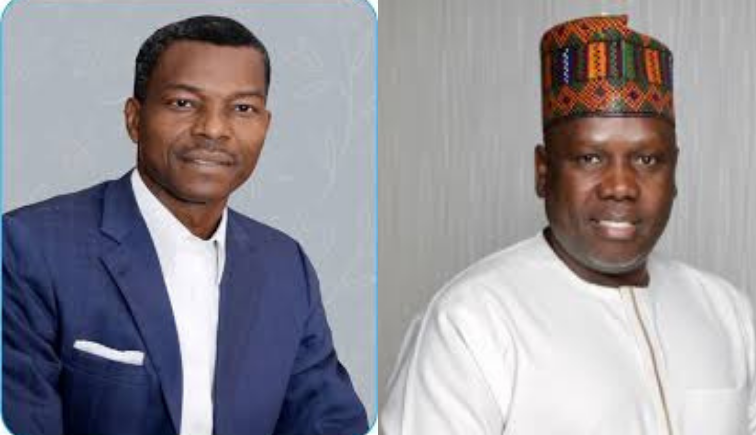
Combined image of Nze Chidi Duru and David Bwala (L – R)
The APC endorsed Tinubu’s announcement, stressing that meeting the annual target by August meant the 2025 budget could be fully implemented without additional domestic borrowing.
Deputy National Organising Secretary Nze Chidi Duru told The PUNCH that the development “shows that the budget is capable of implementation” and would ease pressure on government finances. He added that increased revenue would help close Nigeria’s infrastructure gap and reduce dependence on loans.
The President’s Special Adviser on Policy Communication, Daniel Bwala, also defended the government parties for providing alternative data to counter Tinubu’s stance, accusing critics of “blind and purposeless” attacks. He challenged the opposition’s claims.
OPPOSITION’S COUNTER-ARGUMENTS
But opposition leaders argued that the government’s celebration of revenue growth was disconnected from reality.
The ADC’s National Publicity Secretary, Bolaji Abdullahi, dismissed the revenue milestone as “absurd”, noting that poverty and inflation remain widespread. He questioned the relevance of revenue growth when citizens still grapple with rising food prices, transport costs, and unemployment.
Similarly, the NNPP’s spokesperson, Ladipo Johnson, described the administration as a “tax-and-spend government” that prioritises revenue over citizens’ welfare. He accused Tinubu of marking his own exam, saying Nigerians judge success based on inflation, exchange rate stability, and cost of living—not revenue figures.
The CUPP’s National Secretary, Peter Ameh, accused the President of being “disconnected from reality” and prioritising taxation over meaningful investments in health, agriculture, and small businesses. He alleged that both revenue and borrowed funds were being used to finance the “luxurious lifestyles of those in power”.
A Labour Party factional spokesman, Tony Akeni, described the revenue claim as “lies”, citing continued borrowing both domestically and internationally despite the supposed fiscal gains.
EXPERTS WEIGH IN
Economists offered mixed reactions.
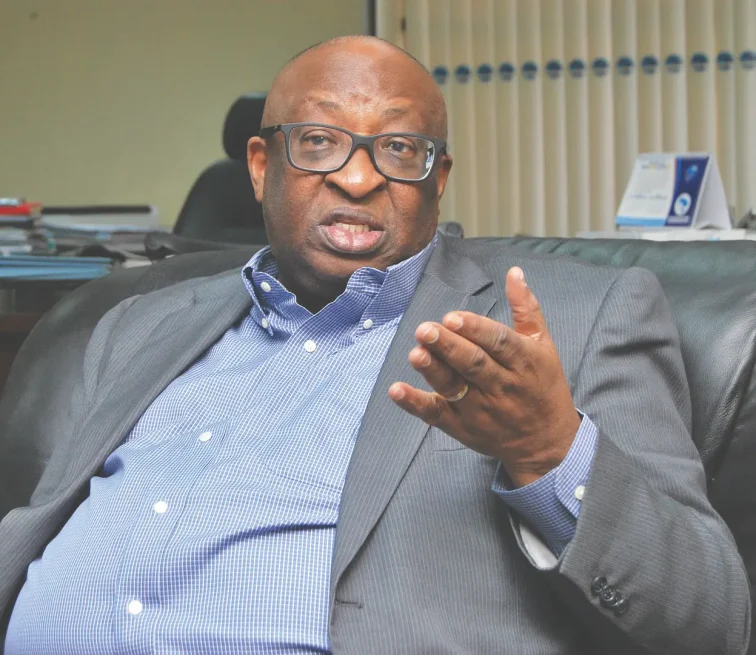
Image of the renowned economist Prof. Akpan Ekpo
Renowned economist Prof. Akpan Ekpo said he was surprised by the claim that borrowing had stopped, given the DMO and CBN’s active debt operations. He urged the government to channel revenues into education, health, and infrastructure if indeed the targets were achieved.
Prof. Segun Ajibola of Babcock University observed that half-year figures indicated Nigeria had barely reached half of its 2025 revenue target by June, calling for clarification from the Finance Ministry and the DMO.
Asset manager Tunde Amolegbe suggested Tinubu may have been referring to keeping borrowing within the projected ₦13 trillion fiscal deficit, rather than halting it completely.
However, other experts were more blunt. Former Zenith Bank chief economist Marcel Okeke called the claim “laughable and unrealistic”, noting that no administration in Nigeria’s history had ever surpassed annual revenue targets by August.
On the other hand, Prof. Richard Mayungbe, a forensic accounting scholar in Zambia, commended the administration’s diversification drive, saying non-oil revenue growth reflected progress in reducing dependence on crude oil.
THE BIGGER PICTURE
Despite the government’s optimism, many analysts warn that higher revenues alone do not guarantee economic relief for ordinary Nigerians. Inflation remains high, the naira continues to struggle, and poverty rates are climbing, forcing many citizens to migrate in search of better opportunities.
While Tinubu insists his Renewed Hope Agenda will translate fiscal gains into better infrastructure, food security, and healthcare, critics argue that Nigerians are yet to see tangible improvements.
As the debate continues, economists stress the need for transparency, better communication of fiscal data, and clear strategies on how increased revenues will ease the cost-of-living crisis.

 Eagle Fm