EFCC RELEASES MALAMI AFTER QUESTIONING
Written by Oluwaseyi Amosun on November 29, 2025
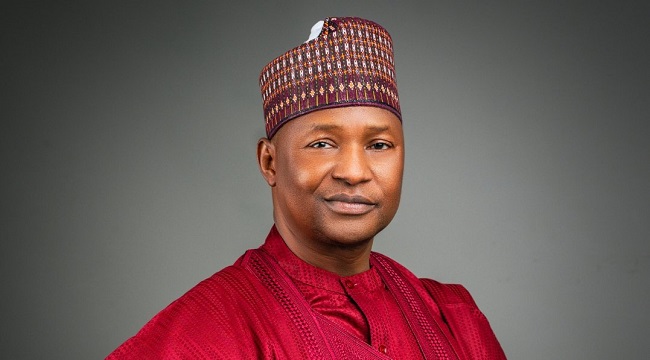
Abubakar Malami, Former Minister of Justice and Attorney-General of the Federation. (Source: X/@aamalamiSAN)
The Economic and Financial Crimes Commission (EFCC) has released former Attorney-General of the Federation and Minister of Justice, Abubakar Malami, after several hours of questioning at its headquarters in Abuja.
Malami, who honored the EFCC’s invitation on Friday, disclosed in a statement that his engagement with investigators was “successful.” He expressed gratitude to Allah for what he described as divine intervention, noting that the session ended with his release but that he has been scheduled to return for further questioning.
The former minister emphasized his commitment to accountability, insisting that the allegations against him were fabricated. “The engagement was successful and I am eventually released while on an appointment for further engagement, as the truth relating to the fabricated allegations against me continues to unfold,” Malami stated via his official X handle.
His appearance at the EFCC follows weeks of speculation about investigations into his tenure as Attorney-General. While details of the allegations remain unclear, Malami reaffirmed his willingness to cooperate fully with the anti-graft agency.
The EFCC has not issued a detailed statement on the nature of its inquiry, but Malami’s scheduled return suggests that the investigation is ongoing. His case adds to a growing list of former government officials facing scrutiny from Nigeria’s anti-corruption agency.
COMPARISONS WITH PAST HIGH-PROFILE EFCC CASES
Photo File: Economic and Financial Crimes Commission Logo
The Economic and Financial Crimes Commission (EFCC) has consistently pursued high‑profile figures in Nigeria’s political and business circles.
Recent developments involving former Attorney‑General Abubakar Malami echo earlier cases where prominent individuals such as Timipre Sylva, Olasijibomi Ogundele (Sujimoto CEO), and Yahaya Bello faced EFCC scrutiny. These cases highlight the agency’s evolving approach to anti‑corruption enforcement and the challenges of prosecuting influential personalities.
EFCC DECLARES TIMIPRE SYLVA WANTED
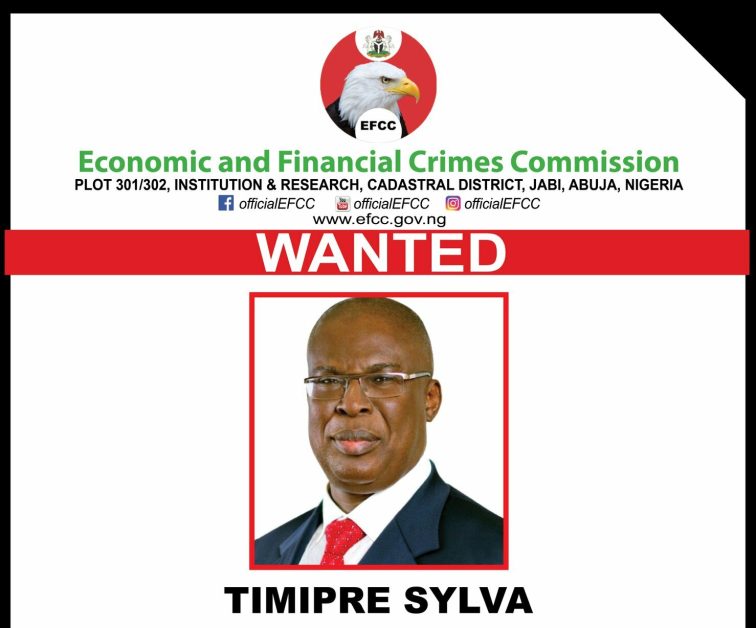
Former Bayelsa State Governor and ex‑Minister of State for Petroleum, Timipre Sylva, was declared wanted in November 2025 over allegations of conspiracy and dishonest conversion of $14.8 million linked to the Nigerian Content Development and Monitoring Board’s refinery project.
Sylva contested the declaration, citing a life‑threatening medical condition and requesting a new date to appear before investigators. He insisted he was not evading justice, stressing that “only a living person can responsibly respond to allegations.”
The case underscores EFCC’s willingness to pursue former ministers, though critics argue the agency sometimes acts hastily without accommodating health or legal complexities.
EFCC DECLARES SUJIMOTO CEO WANTED OVER MONEY LAUNDERING

In September 2025, EFCC declared Olasijibomi Ogundele, CEO of Sujimoto Luxury Construction Limited, wanted for alleged money laundering and diversion of funds.
Ogundele, a high‑profile Lagos businessman, was accused of using his company’s operations to mask illicit financial flows. The declaration sparked debate in Nigeria’s business community, with some viewing it as a test case for EFCC’s reach into corporate boardrooms.
Unlike political figures, Ogundele’s case illustrates EFCC’s focus on private sector accountability, signaling that anti‑corruption enforcement is not limited to government officials.
EFCC ON YAHAYA BELLO
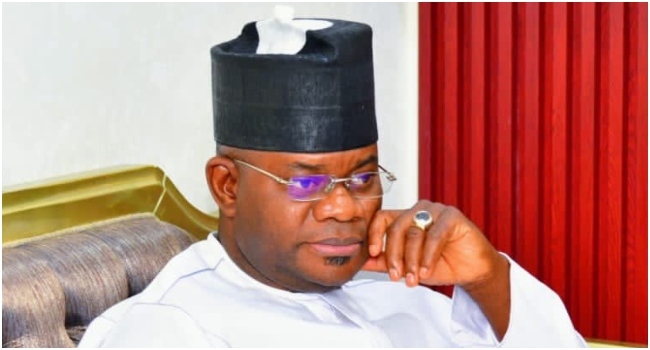
Former Kogi State Governor Yahaya Bello was arraigned in January 2025 on a 16‑count charge of criminal breach of trust and money laundering amounting to ₦110.4 billion
EFCC alleged Bello diverted state funds through suspicious withdrawals and property acquisitions. His trial has been closely watched, with EFCC presenting detailed evidence of repeated cash withdrawals from government accounts. Bello’s case is one of the largest financial crime allegations against a former governor, raising questions about systemic corruption in state finances.
Bello’s ₦110.4 billion case dwarfs Sylva’s $14.8 million and Ogundele’s corporate laundering charges. Sylva cited health challenges, Ogundele faced corporate scrutiny, while Bello denied wrongdoing and framed the case as politically motivated.
Bello’s trial has broader implications for governance, Sylva’s case highlights ministerial accountability, and Ogundele’s case expands EFCC’s reach into Nigeria’s luxury business sector.
These cases demonstrate EFCC’s dual focus on political elites and business leaders, though outcomes often hinge on legal delays, health claims, or political narratives.
The EFCC’s pursuit of Sylva, Ogundele, and Bello reflects its determination to tackle corruption across political and corporate spheres.
However, the contrasting scales of alleged fraud and the defenses mounted by each figure reveal the complexities of prosecuting Nigeria’s elite. These cases will likely shape public perception of EFCC’s effectiveness and credibility in the years ahead.


 Eagle Fm