ELECTIONS SHOULD BE SETTLED AT THE POLLING UNIT, NOT COURT – OBIDIENT MOVEMENT LEADER
Written by Oluwaseyi Amosun on May 13, 2026
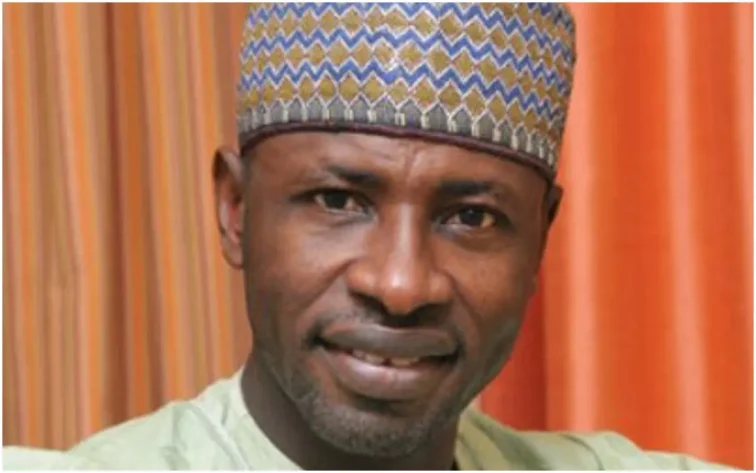
The National Coordinator of the Obidient Movement Worldwide, Dr. Yunusa Tanko, has called for a fundamental rethink of Nigeria’s electoral process, insisting that the outcome of elections should be determined at polling units rather than subjected to prolonged judicial battles that often outlive the electoral cycle itself.
He made on Wednesday during an exclusive interview on Frontline, a current affairs programme on Eagle 102.5 FM, Ilese Ijebu, Ogun State, where he examined the growing reliance on courts to resolve electoral disputes and the implications it has on democratic stability and public trust in elections.
According to him, the increasing tendency to litigate electoral outcomes has weakened the authority of the ballot, gradually shifting the centre of democratic decision-making away from voters and into the courtroom, where outcomes are often delayed, contested, and sometimes perceived as detached from the original vote.
Dr. Tanko argued that this pattern has created a disconnect between citizens and the electoral process, as many now believe that elections are not truly concluded until they pass through judicial interpretation, a situation he said undermines confidence in democracy.
He insisted that the polling unit remains the most legitimate point of electoral expression and should be strengthened to ensure clarity and finality, reducing the need for post-election disputes that often drag governance into uncertainty.
He said, “Elections should be done and dusted at the polling units. Elections should be done and dusted at the polling units, and we will not want to give any opportunity for us to go to any court whatsoever.”
He maintained that while the constitution provides room for legal redress, the overdependence on courts has turned what should be a straightforward democratic process into a prolonged cycle of disputes that weaken governance and delay national progress.
Dr. Tanko argued that when electoral outcomes are constantly subjected to litigation, elected officials begin their tenure under legal shadows, forcing them to focus on defending mandates rather than delivering governance to the people.“Let’s deal with this issue once and for all, and establish the winner, and we forget it and we move on.”
He further explained that this situation not only affects leadership stability but also contributes to voter apathy, as citizens begin to question whether their participation truly determines outcomes.
He stressed that strengthening transparency at the polling unit level is the most effective way to reduce electoral disputes, adding that when results are clear and credible from the grassroots, the incentive to challenge them in court significantly reduces.
He said, “And we will not want to give any opportunity for us to go to any court whatsoever.”
According to him, elections should be concluded in a manner that leaves no ambiguity, insisting that the credibility of the process must be strong enough to withstand public scrutiny without requiring judicial validation as a routine step.
He also noted that political actors must begin to accept electoral outcomes in good faith, arguing that immediate resort to litigation often escalates tensions and deepens political divisions.
Dr. Tanko concluded that Nigeria’s democratic stability depends on restoring finality to the ballot, ensuring that elections are not only free and fair but also decisive enough to stand without judicial reinforcement.




 Eagle Fm