‘NIGERIA IS NOT PROGRESSING,’ ILESE-IJEBU RESIDENTS DECRY HARDSHIP, CALLS OUT PRESIDENT TINUBU OVER ECONOMIC REFORMS
Written by Oluwaseyi Amosun on October 1, 2026

As Nigeria marks 66 years of independence, residents of Ilese-Ijebu have questioned the impact of the country’s economic reforms on ordinary citizens, citing rising living costs, fuel prices, unemployment, poor infrastructure and the declining purchasing power of households, while President Bola Tinubu insists his administration’s economic reforms are beginning to deliver growth and stability.
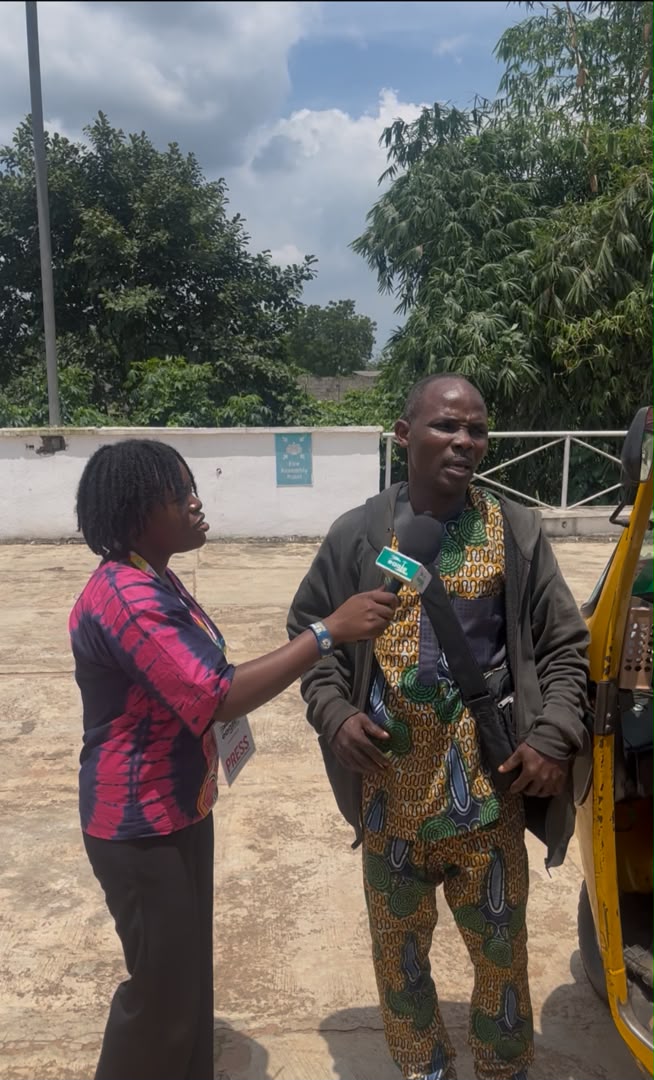
The residents spoke during a street interview conducted by Eagle 102.5 FM, Ilese-Ijebu, on Thursday, October 1, 2026, as Nigerians reflected on the country’s journey since independence.
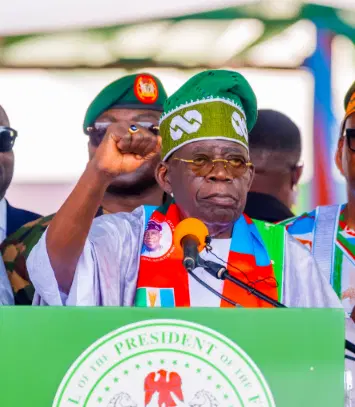
While President Bola Tinubu, in his Independence Day address, defended the government’s economic reforms and said the country was moving from a period of reform into an era of prosperity, residents interviewed in Ilese-Ijebu said the benefits of economic growth were yet to become evident in their daily lives.
For some, the most visible measure of economic progress remains the price of fuel, transportation and basic goods.
The Baale of Isade community, Chief Moses Odunuga, expressed concern over the state of roads and the rising cost of construction materials.
He specifically called for government intervention on the road linking Idomowo, which he described as being in poor condition.
“The road from Idomowo is bad and needs the attention of the government because the people are suffering from it,” Odunuga said.
He also called for better management of Nigeria’s natural resources, arguing that the country has sufficient resources to drive development if they are properly utilised.
A tricycle operator also lamented the impact of the removal of fuel subsidy on daily income and family welfare, saying the purchasing power of money had weakened considerably.
“What a petrol of ₦1,000 could do before, we can’t even gain the ₦1,000 back. It has affected the family. They should just return the subsidy,” the operator said.
The concern was supported by another resident, Prince Adeola Olowolayemo, who questioned whether rising prices could be described as economic progress.
He cited the increase in petrol prices and the cost of services dependent on fuel, including transportation and food preparation.
“Fuel has risen to ₦1,400 or ₦1,450. Is this progress? People use petrol for almost everything. Grinding pepper that used to cost ₦100 now costs ₦500, while transportation that used to cost ₦150 has increased to ₦1,000,” Olowolayemo lamented.
His comments reflect the wider concern that increases in energy and transportation costs have consequences beyond the price paid at the filling station, affecting the cost of food, movement and other everyday services.
The issue of employment also featured prominently in the residents’ assessment of Nigeria’s progress.
A resident of the community, Mr. Moshood said independence should mean that Nigerians are able to benefit from the country’s abundant natural resources and enjoy the dividends of democracy.
He questioned whether Nigeria was making sufficient use of its resources for the benefit of citizens and expressed concern about unemployment among graduates.
“Many graduates have finished school, but getting a job is still a major problem, especially when you do not have somebody to help you,” he lamented.
Moshood called for improvements in governance and suggested that aspects of the Constitution should be reviewed where necessary.
He also questioned the salaries and allowances of political office holders, arguing that more public resources should be directed towards national development.
The concerns expressed by residents came hours after President Bola Tinubu used his Independence Day address to defend the economic direction of his administration.
Tinubu said the reforms introduced by his government were necessary to address longstanding distortions in the Nigerian economy, insisting that the difficulties Nigerians experienced were not created by the reforms but were being confronted by them.
The President said Nigeria’s economy had recorded growth while inflation had declined from its peak, foreign exchange conditions had improved and the country’s foreign reserves had strengthened.
He also highlighted increased non-oil export earnings and other indicators which, according to him, showed that the economy was moving towards greater stability.
Tinubu also rejected calls for a return to what he described as “addictive subsidies”, insisting that Nigeria could not return to the previous system.
He said the government’s next priority was to reduce the cost of living by lowering production and transportation costs, increasing agricultural output, improving infrastructure and supporting businesses and job creation.
The president described the current phase of the administration’s economic programme as a transition from reform to prosperity, arguing that the gains of the reforms would increasingly translate into improved living conditions for Nigerians.


 Eagle Fm