NIGERIAN WOMEN TAKES CENTER STAGE IN SPORTS GLORY AS MALE TEAMS STRUGGLE TO MAKE RELEVANCE.
Written by Oluwaseyi Amosun on September 13, 2025
Omoboriola Ogunkomaiya an intern at Eagle FM, has presented an in-depth analysis on the undeniable and growing dominance of Nigerian women in sports, a phenomenon that has not only reshaped national expectations but also challenged long-standing gender narratives in athletics. His work draws attention to the remarkable achievements of female athletes across various sporting disciplines—ranging from football to athletics, basketball, boxing and beyond—who have consistently carried the nation’s flag high on the global stage. From the inspiring feats of Tobi Amusan, who set a world record in hurdles, to the global recognition earned by Asisat Oshoala in football, and the resilience of the Super Falcons who remain Africa’s most successful women’s national team, Nigerian women have repeatedly demonstrated excellence that often overshadows their male counterparts.
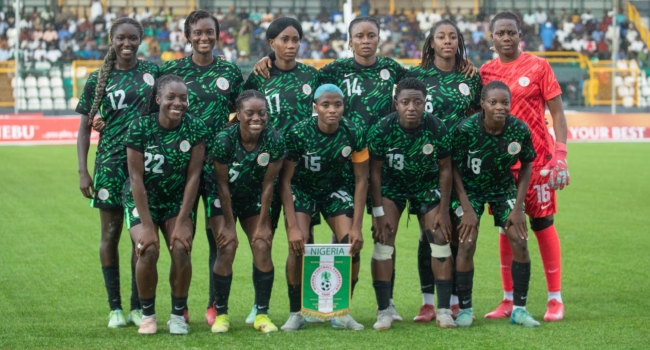
In recent years, Nigerian female athletes have emerged as the undeniable face of the nation’s sporting excellence, dominating continental competitions and raising the country’s flag high on the global stage. From football to basketball to track and field, women have consistently delivered historic performances, redefining Nigeria’s sports narrative while their male counterparts face mounting challenges on the continental and global stage.
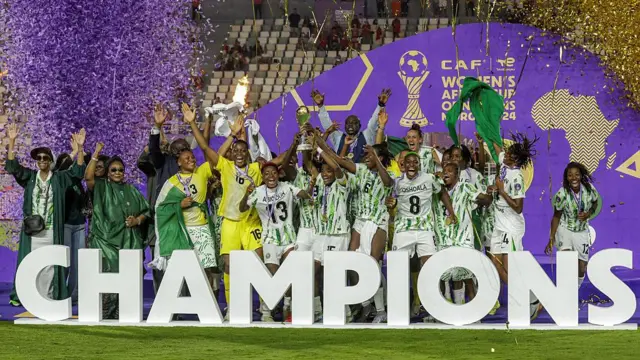
At the forefront of this resurgence are the Super Falcons, Nigeria’s women’s football team, who clinched their record-extending 10th Women’s Africa Cup of Nations (WAFCON) title in July 2025. In a dramatic final against host nation Morocco, the Falcons came from two goals down to win 3–2, becoming the first women’s national team globally to win a continental championship ten times. Their triumph not only reaffirmed their dominance but also earned players national honors and lucrative club transfers, with stars like Asisat Oshoala and Rasheedat Ajibade joining Al-Hilal Women and Paris Saint-Germain respectively.
On the basketball court, D’Tigress continued their reign as Africa’s queens of the game, securing their fifth consecutive AfroBasket title in August 2025. Led by MVP Amy Okonkwo and veteran Ezinne Kalu, the Nigerian women’s basketball team defeated Mali 78–64 in Abidjan, extending their unbeaten run in the tournament to 29 games. Their victory sealed a spot at the 2026 FIBA Women’s World Cup Qualifiers and showcased Nigeria’s tactical brilliance and depth in women’s basketball.

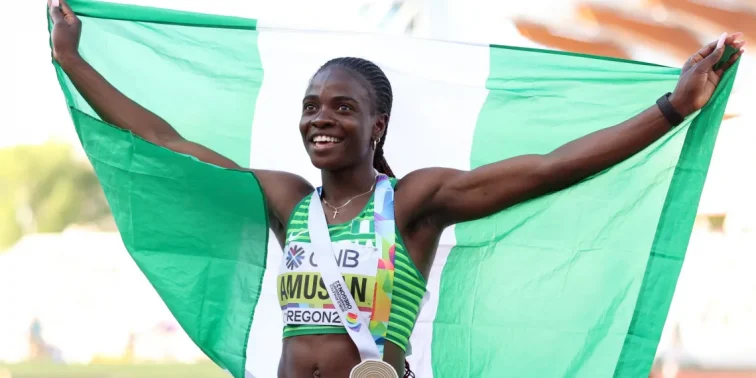
In track and field, Tobi Amusan remains Nigeria’s beacon of excellence. The world record holder in the 100m hurdles has won three consecutive Diamond League titles (2021–2023) and continues to inspire with her speed and resilience. Although she withdrew from the 2025 Diamond League final to focus on the upcoming World Championships in Tokyo, Amusan’s legacy as Nigeria’s first world champion in athletics remains unshaken.
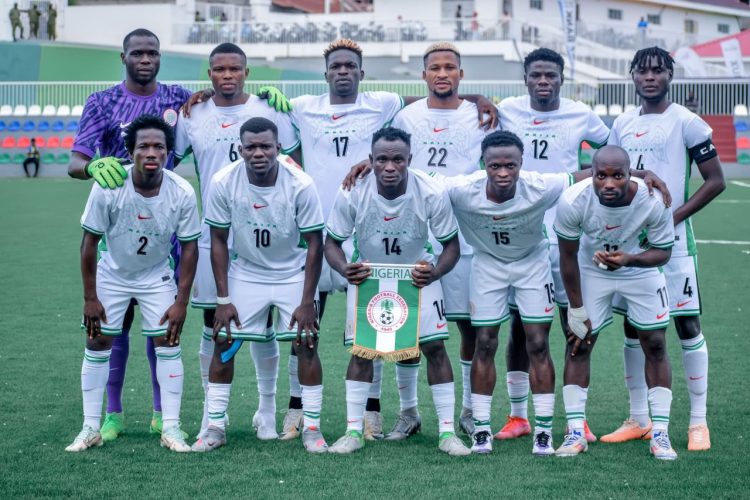
In contrast, Nigeria’s male teams have struggled to replicate such success. The Super Eagles B team crashed out of the 2025 African Nations Championship (CHAN) in the group stage, suffering heavy defeats to Sudan and Senegal before a consolation win against Congo7. The Nigeria Football Federation (NFF) blamed the poor outing on the mass exodus of talent from the domestic league, leaving the CHAN squad depleted and underprepared.
Meanwhile, the senior men’s national team faces an uphill battle in their quest to qualify for the 2026 FIFA World Cup. Despite having big names in the National Team Victor Osimehn, Ademola Lookman Alex Iwobi etc. With only one win from six matches, Nigeria sits fourth in Group C, trailing leaders South Africa by nine points. Despite a recent 1–0 win over Rwanda, the Super Eagles must win all remaining fixtures to keep their hopes alive, as another failure to qualify would mark a second consecutive absence from the world’s biggest football stage.
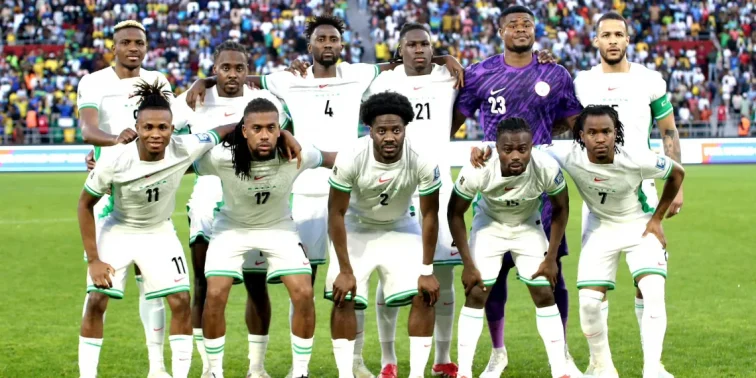
As Nigeria’s sporting narrative unfolds, it is clear that the women are not just participating—they are leading. From football pitches to basketball courts and Olympic tracks, Nigerian female athletes are setting the pace, lifting the nation’s spirit, and redefining what it means to wear the green and white with pride.
Despite flying the nation’s flag high across global and continental competitions, Nigerian female athletes continue to battle systemic neglect, poor funding, and inadequate infrastructure. From the football pitch to the basketball court and Olympic tracks, these women have consistently delivered excellence, yet their efforts are met with minimal support compared to their male counterparts.
The Super Falcons, Nigeria’s senior women’s football team, remain the most successful national team in Africa, having clinched their 10th Women’s Africa Cup of Nations (WAFCON) title in July 2025. Their dramatic 3–2 comeback victory over host nation Morocco not only reaffirmed their dominance but also etched their name in global football history. However, behind the scenes, the team has faced delayed bonuses, substandard travel arrangements, and poor training conditions. In previous tournaments, players staged protests over unpaid allowances and lack of respect from football authorities—a recurring issue that continues to plague the team despite their achievements.
Similarly, Nigeria’s women’s basketball team, D’Tigress, has maintained an unbroken reign in African basketball, winning five consecutive AfroBasket titles. Their latest triumph came in August 2025, when they defeated Mali 78–64 in Abidjan, extending their unbeaten run to 29 games. Led by MVP Amy Okonkwo and veteran Ezinne Kalu, the team has qualified for the 2026 FIBA Women’s World Cup qualifiers. Yet, their success has been overshadowed by funding cuts, lack of sponsorship, and administrative disputes. In 2021, the team publicly called out the Nigeria Basketball Federation (NBBF) and the Ministry of Sports over unpaid bonuses and poor welfare, a situation that remains largely unresolved.
In athletics, Tobi Amusan has become a household name, blazing trails and setting records. The world record holder in the 100m hurdles stunned the world with her 12.12-second run at the 2022 World Championships, becoming Nigeria’s first world champion in track and field. She has since won three consecutive Diamond League titles and remains a formidable force in global athletics. However, her journey has been largely self-funded, with minimal institutional support. Like many Nigerian track athletes, Amusan has had to rely on personal grit and external sponsorships to sustain her career, as government investment in athletics remains low and inconsistent.
While Nigerian women continue to dominate in sports, their male counterparts have struggled to replicate such success. The Super Eagles B team crashed out of the 2025 African Nations Championship (CHAN) in the group stage, suffering defeats to Sudan and Senegal before a consolation win against Congo. The Nigeria Football Federation (NFF) blamed the poor outing on the mass exodus of talent from the domestic league, leaving the CHAN squad depleted and underprepared.
Meanwhile, the senior men’s national team faces an uphill battle in their quest to qualify for the 2026 FIFA World Cup. With only one win from six matches, Nigeria sits fourth in Group C, trailing leaders South Africa by nine points. Despite a recent 1–0 win over Rwanda, the Super Eagles must win all remaining fixtures to keep their hopes alive. Another failure to qualify would mark a second consecutive absence from the world’s biggest football stage—a stark contrast to the consistent success of the women’s teams.
The significant differences in support between male and female athletes is glaring. While male teams enjoy better funding, media coverage, and sponsorship deals, female athletes often struggle with outdated facilities, lack of physiotherapy and nutrition support, and minimal grassroots development programs. Corporate endorsements are skewed toward male leagues, and female athletes rarely feature in high-profile campaigns, despite their achievements.
Experts have called for urgent reforms in Nigeria’s sports sector, emphasizing the need for equal funding, improved infrastructure, and gender-sensitive policies. They argue that the future of Nigerian sports is female, and the nation must invest in its women if it hopes to maintain its global relevance.
As the world continues to celebrate Nigerian women for their resilience and brilliance, it is time for the country to match their efforts with meaningful support. Their victories are not just medals—they are statements of national pride, and they deserve more than applause. They deserve action

 Eagle Fm