OSHOMA CALLS FOR SUSTAINABLE ECONOMIC POLICIES, EFFECTIVE IMPLEMENTATION OF FUEL RESERVE PLAN
Written by Oluwaseyi Amosun on October 9, 2026
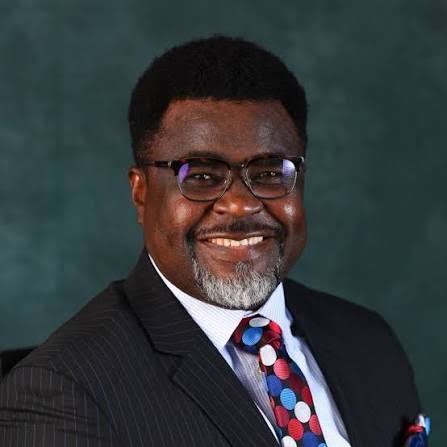
Photo file:Legal practitioner, rights advocate and public policy analyst, Liborous Oshoma
Legal practitioner, rights advocate and public policy analyst, Liborous Oshoma, has stressed the need for sustainable economic policies, effective implementation and long-term planning as the Federal Government considers establishing a national fuel reserve to strengthen Nigeria’s energy security.
Oshoma made the remarks during FRONTLINE, a current affairs programme on Eagle 102.5 FM, Ilese-Ijebu, Ogun State, on October 9, 2026. The discussion examined the importance of ensuring that government initiatives translate into practical benefits for Nigerians, particularly amid concerns about energy supply disruptions and wider economic challenges.
Addressing the proposed national fuel reserve, Oshoma emphasised that the success of government policies depended not merely on their announcement but on the ability of the authorities to establish workable implementation plans. He maintained that initiatives intended to strengthen energy security must be supported by adequate infrastructure, effective management and sustained investment to deliver lasting results.
He stressed that long-term planning was particularly important for projects requiring substantial public resources and continuous maintenance, warning against an approach that prioritised public announcements over the practical steps required to achieve the intended objectives.
“The problem is not in the naming ceremony. The problem is how we want to actualise this, so that in the next 20, 30, 40, 50 years, we still have comfort and Nigeria can benefit from it,” Oshoma said.
The statement underscored his position that government initiatives must be evaluated by their sustainability and long-term impact rather than the attention they attract at inception. He argued that the authorities must consider how such projects would be managed over several decades to ensure that public investments continue to serve the country beyond the tenure of the administration that introduced them.
The proposed national fuel reserve is intended to strengthen Nigeria’s capacity to respond to disruptions in the global energy market, which can affect petroleum supply and prices. However, its effectiveness would depend on the government’s ability to establish appropriate storage facilities, maintain adequate stocks and develop clear procedures for managing supplies when the need arises.
Oshoma’s argument also highlighted the importance of ensuring that public expenditure produces measurable outcomes for citizens. He maintained that government agencies must approach major projects with a commitment to accountability, continuity and efficient resource management, particularly where the initiatives are expected to provide long-term economic benefits.
He further emphasised the need for proper maintenance and technical oversight to ensure that public infrastructure remains functional after its establishment. In his view, the durability of government projects depends on the willingness of successive administrations to sustain effective policies and protect investments made with public funds.
Oshoma also addressed the Supreme Court’s ruling on the Electoral Act and the implementation of local government financial autonomy. Across these issues, he stressed the importance of respecting established frameworks and ensuring that decisions by public institutions produce practical outcomes.
While he maintained that government policies should be judged by their implementation and their impact on the people they are designed to serve. He argued that sustained planning, effective management and accountability were essential to ensuring that initiatives such as the proposed national fuel reserve deliver meaningful and lasting benefits to Nigeria.


 Eagle Fm