RURAL NIGERIANS PAYING MORE FOR ELECTRICITY THAN BAND A — REA BOSS REVEALS
Written by Oluwaseyi Amosun on August 25, 2025
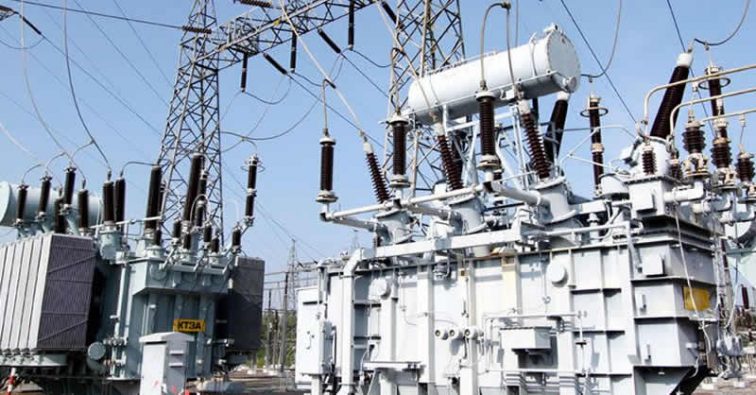
Photo File: National Power Grid
In a surprising revelation, the Managing Director of the Rural Electrification Agency (REA), Engr. Abba Aliyu, has disclosed that some rural communities across Nigeria are paying electricity tariffs far higher than those paid by Band A consumers, despite being off the national grid.
Speaking to journalists, Aliyu stated, “There are communities, there are rural areas that pay more tariff than Band A. There are areas where the tariff is close to N250 and N280.”
He explained that the variation in tariffs is largely dependent on the cost of infrastructure deployed by the agency in those areas. According to him, “They pay for their electricity and they enjoy it, but there are other areas where the tariff is less than Band A. It’s subjective on the total cost of infrastructure we deploy within those communities.” Aliyu noted that the REA has adopted solar energy as a sustainable and economically viable model for powering underserved areas, adding that the agency has completed several mini-grid and interconnected mini-grid projects for universities and general hospitals across Nigeria’s six geopolitical zones.
For decades, Nigeria has grappled with persistent energy challenges, with epileptic power supply stifling productivity and economic growth. Despite the privatisation of the power sector, issues such as policy inconsistency, low investment, and operational bottlenecks continue to plague electricity generation, transmission, and distribution.
In 2024, the Nigerian Electricity Regulatory Commission (NERC) approved a sharp increase in electricity tariffs, raising the rate from N66 to N225 per kilowatt-hour for Band A customers. The hike sparked widespread outrage, with many Nigerians decrying the timing and impact of the decision amid rising inflation and economic hardship. Meanwhile, the cost of petrol and diesel — often used as alternative sources of power — has surged by over fivefold, compounding the woes of consumers nationwide.
Despite these challenges, rural communities under REA’s solar-powered schemes appear to be embracing the cost-reflective model, willingly paying for reliable electricity and sustaining their local economies. The development underscores the need for deeper reforms and increased investment in decentralised energy solutions that can bridge Nigeria’s power gap and deliver equitable access to electricity across the country.




 Eagle Fm