THE ROLE OF SOCIAL MEDIA IN POLITICAL CONVERSATIONS
Written by Oluwaseyi Amosun on August 15, 2026
BY OMOTOYOSI OLUSANYA
Politics is no longer discussed only in government offices, political rallies or television studios. Today, a political statement can appear on social media and become a subject of discussion among thousands of Nigerians within minutes.
In recent years, social media has grown rapidly and changed how political information is shared and consumed.
Platforms such as Facebook, X, Instagram, TikTok and WhatsApp have become important tools for political communication. They allow politicians, political parties and citizens to interact directly.
In Nigerian politics, social media is used for political communication, mobilisation, campaigns and public engagement. Politicians use these platforms to share their ideas, influence public opinion and connect with voters. Citizens also use them to express their views, question political decisions and participate in political discussions.
Politics is not discussed only in government offices or during elections. It is also part of everyday conversations. Political conversation involves the exchange of ideas, information and opinions about politics, government and public affairs.
Citizens discuss elections, government policies and issues that affect their daily lives. These conversations take place among friends, families and colleagues, as well as on social media.
Fuel Subsidy Removal and Public Debate

The removal of the fuel subsidy by President Bola Ahmed Tinubu in 2023 is an example of how social media shapes political conversations. After Tinubu announced the end of the subsidy in his inaugural address, the decision generated widespread discussion among Nigerians.
Many people expressed concerns about rising petrol prices, transportation costs and the effect on the cost of living, while others debated the government’s reasons for removing the subsidy. The discussion also brought attention to how previous governments, including the administration of Goodluck Jonathan, had handled fuel subsidy.
Through social media, citizens shared their experiences, compared different administrations, questioned government policies and expressed their opinions. This shows how social media can turn a government policy into a wider public and political conversation.
Political conversations can also lead citizens to discuss Nigeria’s political history and how past governments have shaped the country. They can also extend to Nigeria’s relationships with other countries, such as the United States, particularly on issues of security and national development.
Overall, political conversations allow citizens to share their views, question government decisions and stay informed about issues affecting society.
Insecurity and Public Concerns
One major issue Nigerians discuss is insecurity. The abduction of students and teachers in the Ogbomoso area of Oyo State in 2026 became a major public concern and generated discussions both online and offline.
Nigerians used social media platforms such as X, Facebook, TikTok and Instagram to share updates, express concern and question the government’s response to the incident. The discussions also raised concerns about the safety of schools and communities and what more could be done to protect citizens.
However, false reports about the incident also circulated online. This showed that social media can spread both useful information and misinformation.
The Ogbomoso incident therefore shows how social media gives citizens a platform to discuss insecurity, question government actions and participate in political conversations.
All 39 pupils and seven teachers abducted in the Ogbomoso zone of Oyo State were successfully rescued unharmed on July 10, 2026, after spending 56 days in captivity. The coordinated, intelligence-led operation by Nigerian security forces eliminated several terrorists and led to the arrest of eight suspects.
Comparing Different Governments
Political conversations also involve comparing different governments. Nigerians have compared the administrations of Goodluck Jonathan, Muhammadu Buhari and Bola Ahmed Tinubu.
Some people argue that the Jonathan administration was better, particularly in terms of the economy and security, while others defend the achievements of subsequent administrations. Citizens often use their personal experiences and examples to support their views.
These discussions show how political issues affect people’s daily lives and shape their opinions about different governments. Social media makes such comparisons easier because citizens can share reports, videos, statistics and personal experiences with a large audience.
Social Media and the 2027 Presidential Election
The 2027 presidential election is already generating political conversations across Nigeria, even though the election is still months away. Social media has become one of the major platforms where Nigerians discuss possible candidates, political parties, alliances and the performance of the current government.
One major issue is President Bola Ahmed Tinubu’s possible re-election. Citizens use social media to assess his administration, particularly its performance in areas such as the economy, security and the cost of living. Supporters highlight what they consider the achievements of the administration, while critics question some of its policies and their effects on Nigerians.
Peter Obi and Atiku Abubakar are also part of the political conversation surrounding the 2027 election. Their political movements, possible alliances and chances of challenging the ruling APC are widely discussed online. There have also been discussions about opposition politicians working together to create a stronger political platform.
Social media has made these discussions more direct and interactive. Instead of simply listening to political speeches or reading newspaper reports, citizens can comment on political statements, share videos, create posts and respond immediately to what politicians say.
The platforms also allow citizens to compare political leaders and their records. Nigerians can discuss the performance of Tinubu’s administration and compare it with previous governments. They can also examine the records of opposition politicians and debate whether they have the experience and ability to lead the country.
This shows that social media is not only a platform for receiving political information. It also allows citizens to participate in political debates, influence opinions and engage directly with political issues.
Osun State: A Case Study of Social Media and Political Conversations
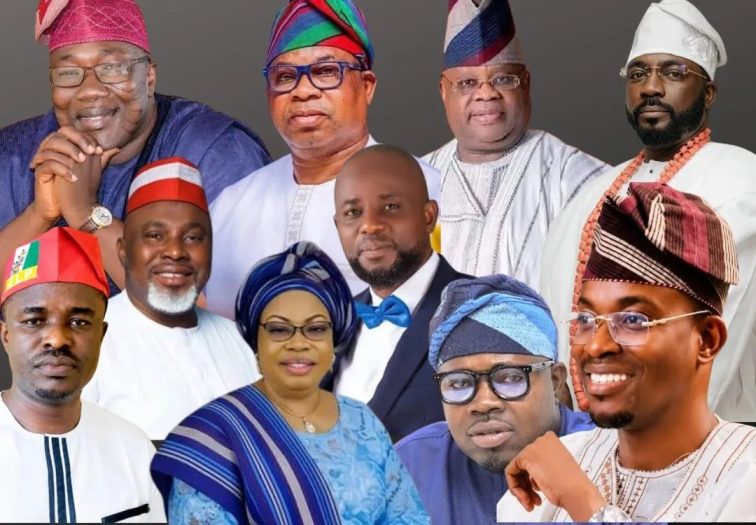
Osun State provides a good example of how social media has become a platform for political conversations. As the state approaches its August 15, 2026 governorship election, citizens are using social media to discuss candidates, political parties, campaign promises and government performance.
The contest between Governor Ademola Adeleke of the Accord Party and his main rival, APC candidate Bola Oyebamiji, has generated discussions both online and offline. Citizens are also discussing issues such as security, development, governance and the performance of previous administrations.
One issue that has generated significant political discussion is the controversy between the EFCC and the Osun State Government. The issue has raised questions about corruption, accountability, political interference and the role of anti-graft agencies in the electoral process.
Governor Ademola Adeleke and his administration questioned the timing and legality of the EFCC’s action, while the commission maintained that its actions were connected to an ongoing investigation.
The controversy also generated calls for the resignation or removal of EFCC Chairman, Ola Olukoyede. The Accord Party formally demanded his resignation, while some Nigerians also expressed similar views on social media.
The Osun example shows how social media can give citizens a platform to express their views, question government actions and political leaders, and participate in political discussions beyond traditional media.
Social media has changed the way Nigerians participate in political conversations. It has created a space where citizens can receive information, share opinions, question government decisions, compare political leaders and engage directly with political actors.
From fuel subsidy and insecurity to elections and government accountability, social media has become an important space for Nigerians to discuss political issues. It has given citizens a stronger voice and made political conversations more immediate and interactive.


 Eagle Fm